
At Robinsons, we believe that a site visit should be about more than just checking progress, it should be about finding better ways to build.
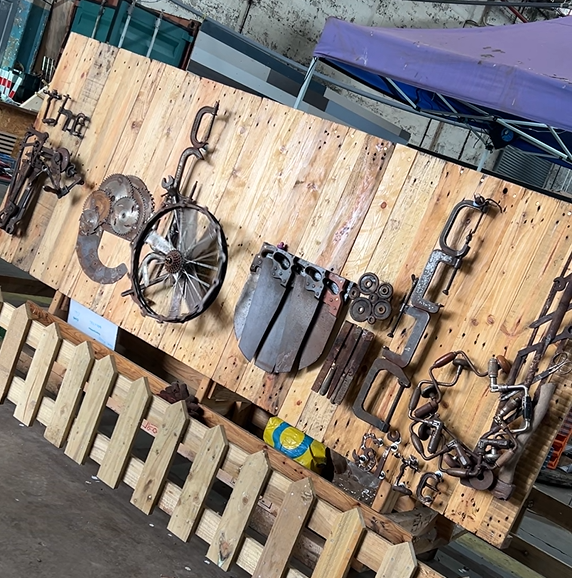
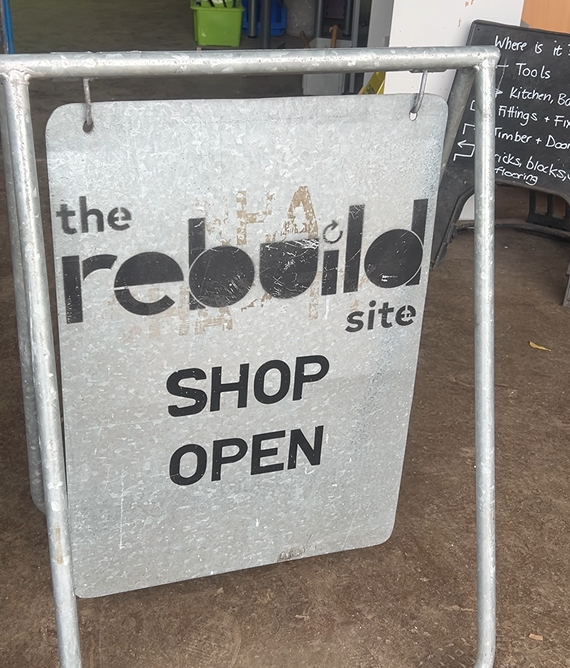
Yesterday, our team headed down to The Rebuild Site CIC in Carlisle, and it’s safe to say we left feeling inspired by their mission.
As the industry evolves, the focus is shifting toward more sustainable construction practices.
For us, that journey starts with a commitment to reducing construction waste and ensuring that “surplus” doesn’t mean “scrap.”
Why Reducing Construction Waste is a Priority
The construction industry has historically been one of the largest contributors to landfill. However, much of what ends up in a skip is actually perfectly usable material – from surplus bricks to leftover timber.
By partnering with Rebuild, we are taking a proactive step in reducing construction waste.
Instead of these materials heading to a landfill, they are being diverted back into the community where they can be put to good use by DIYers, community projects, and other trades.
How the Partnership Works
Rebuild operates as a circular economy hub. They collect and redistribute excess and nearly-new materials, giving them a second life. By integrating their process into our workflow, we can achieve several key sustainability goals:
- Minimising Landfill Impact: Diverting surplus materials away from waste streams.
- Lowering Raw Material Demand: By reusing what we already have, we reduce the need for new resource extraction.
- Shrinking Our Carbon Footprint: Fewer waste collections and less new manufacturing mean a lower overall CO2 impact.
- Supporting Local Social Enterprise: We’re proud to support a Carlisle-based CIC that gives back to our local community.
We’re always looking at ways to work smarter. Partnering with Rebuild isn’t just a feel-good move; it’s a practical, scalable step toward our Net Zero goals.
Looking Ahead to Net Zero
Reducing construction waste is a cornerstone of our wider environmental strategy.
We know that the road to Net Zero is paved with better choices, and choosing to reuse is one of the most impactful changes we can make today.
We’re excited to see these materials get a second life and look forward to continuing our journey toward a more circular, waste-free future in construction.
Back to all News




)