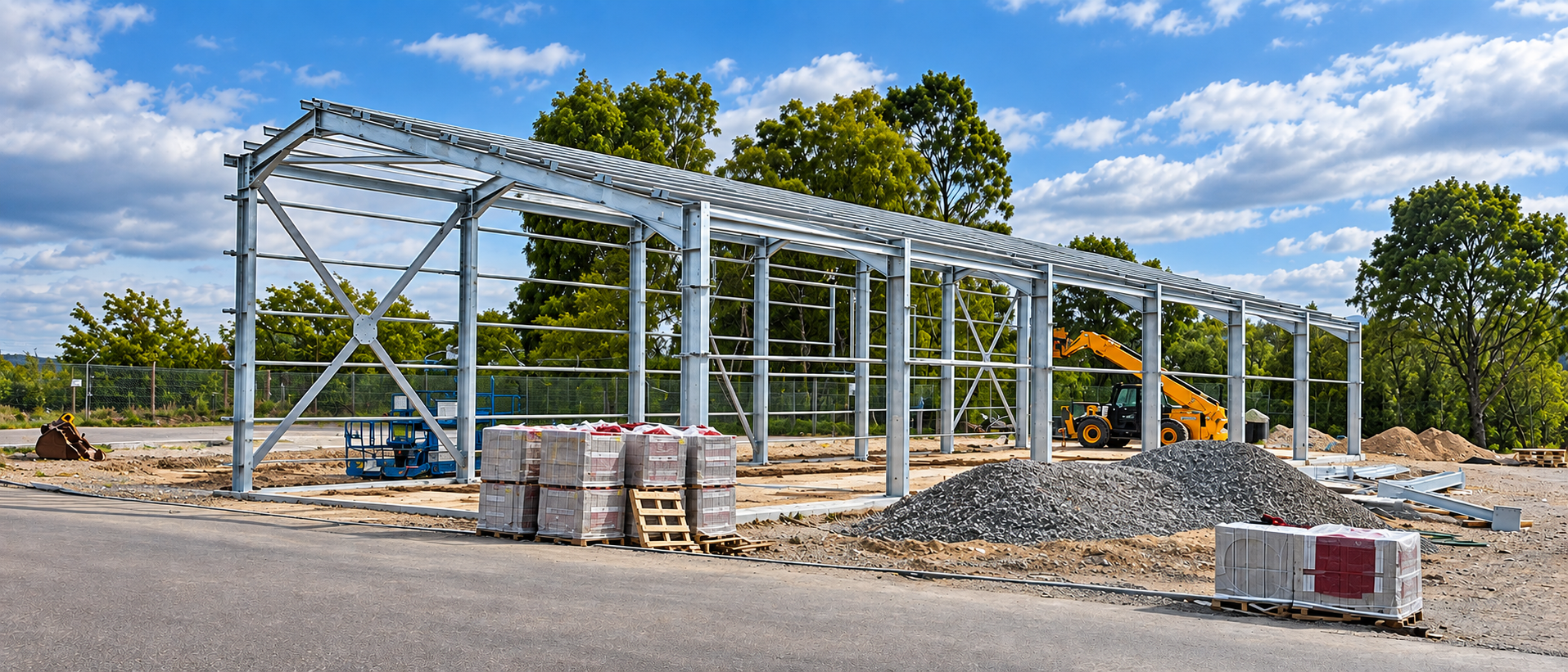
Steelwork & Cladding

Home | Commercial Buildings | Steelwork & Cladding

We don’t need to do the whole job

Not every project requires a turnkey service. Quite often, we’re brought in to supply and erect the steelwork and cladding while the wider project is delivered by others.

We’re perfectly happy with that. Whether the building is part of a major development or a straightforward standalone project, our role is the same: fabricate the steelwork, install it safely and leave you with a structure that’s ready for the next stage.
Fabricated in our own workshop

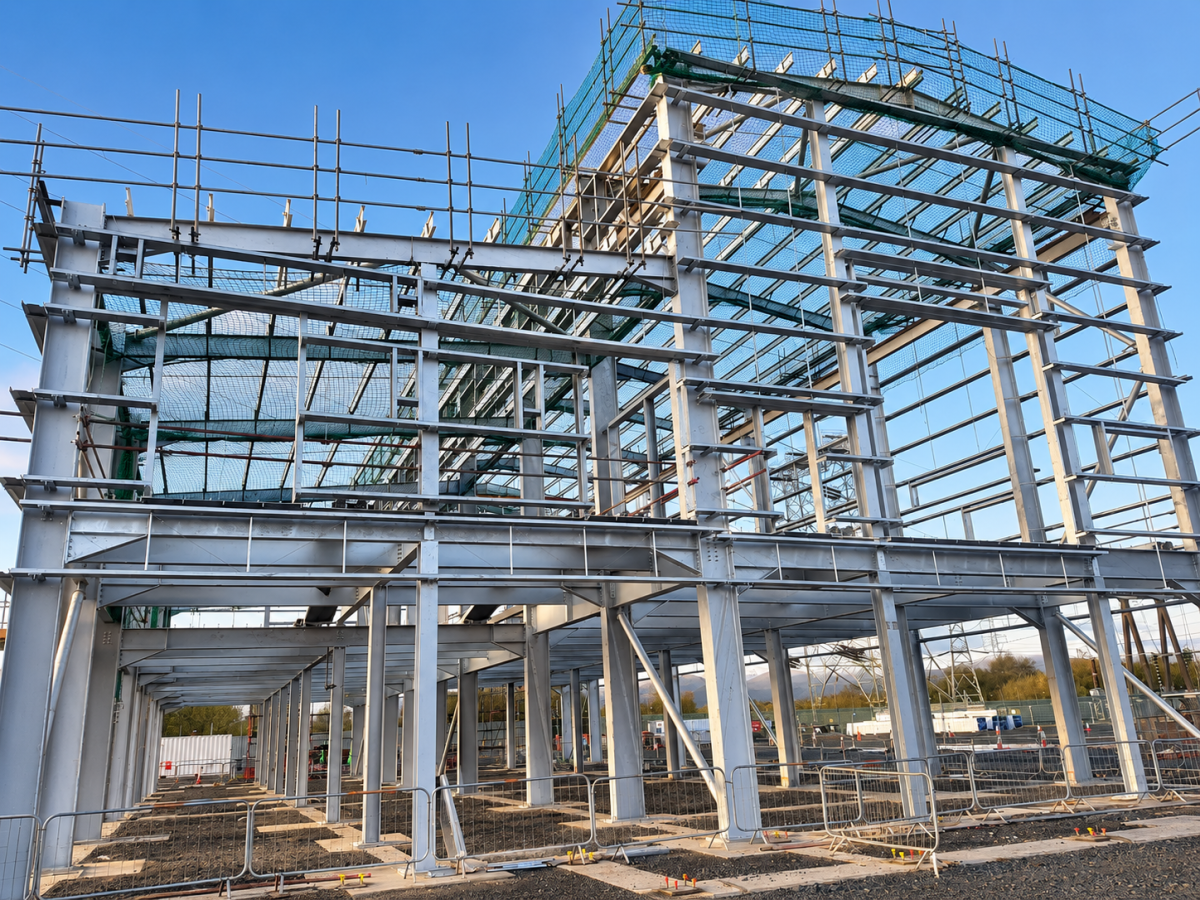
All of our structural steelwork is fabricated in our workshops in Lockerbie and Warrington before being delivered to site. Having our own fabrication facilities allows us to maintain control over quality throughout the process and gives you direct access to the people responsible for producing the steelwork. We’ve supplied steel frames for projects across the UK, working with contractors and private clients alike.
Supply only or supply & erect

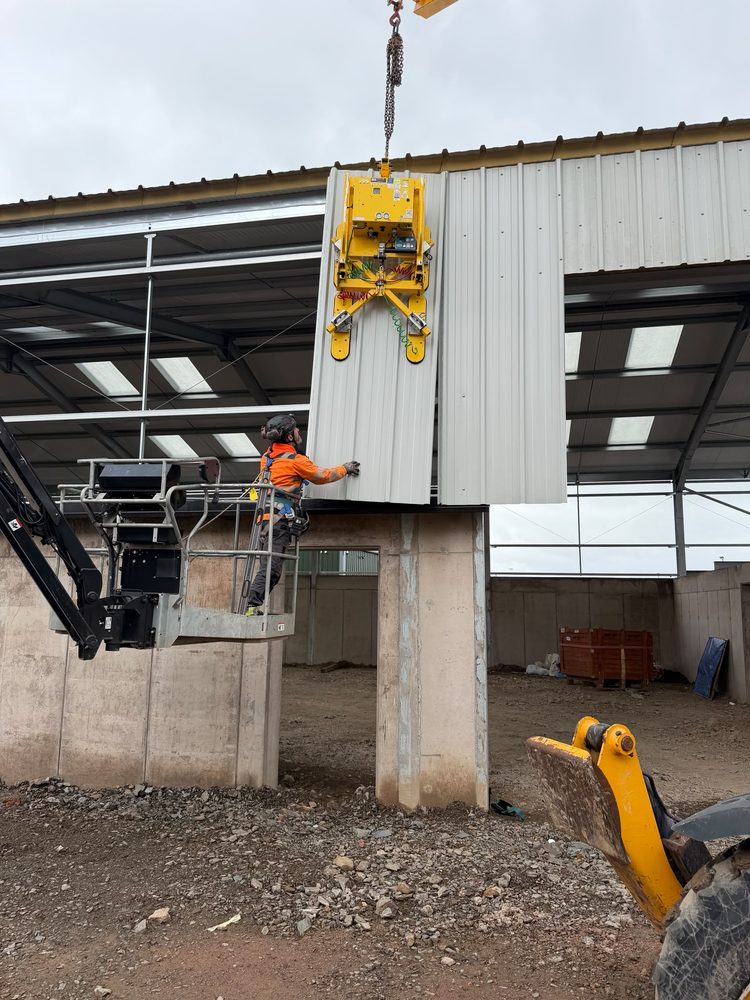
Some have their own erection teams, while ohers would prefer us to handle that side of the project. We can do either. We’ll discuss what’s required at the start and agree exactly where our involvement begins and ends.

Safety matters

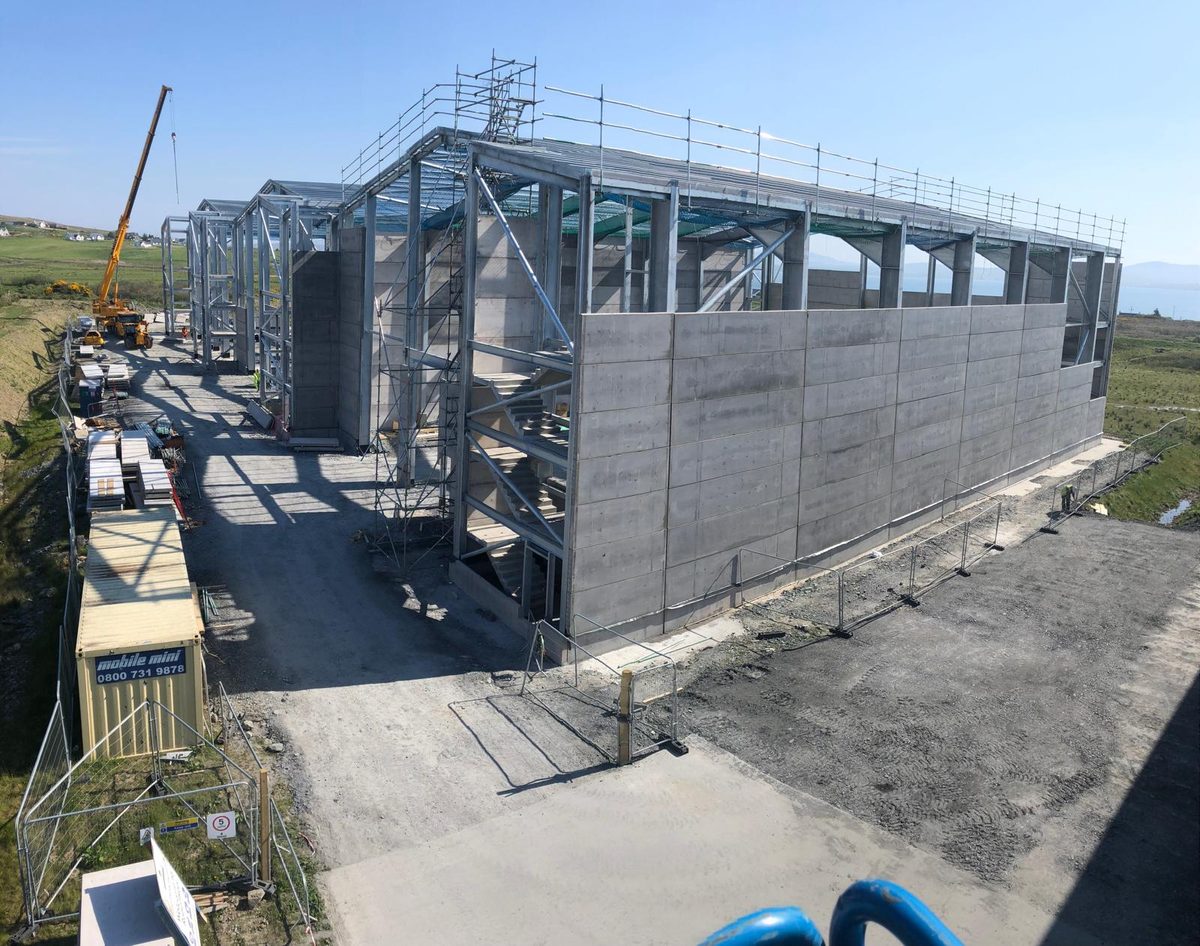
If we’re erecting the steelwork, safety remains our highest priority. Our teams use safety netting and edge protection systems to help reduce risk while work is being carried out on site. It’s a significant investment, but one we believe is worth making. The aim is simple: everyone goes home safely at the end of the day.
This website uses cookies
This site uses cookies to enhance your browsing experience. We use necessary cookies to make sure that our website works. We’d also like to set analytics cookies that help us make improvements by measuring how you use the site. By clicking “Allow All”, you agree to the storing of cookies on your device to enhance site navigation, analyse site usage, and assist in our marketing efforts.
These cookies are required for basic functionalities such as accessing secure areas of the website, remembering previous actions and facilitating the proper display of the website. Necessary cookies are often exempt from requiring user consent as they do not collect personal data and are crucial for the website to perform its core functions.
A “preferences” cookie is used to remember user preferences and settings on a website. These cookies enhance the user experience by allowing the website to remember choices such as language preferences, font size, layout customization, and other similar settings. Preference cookies are not strictly necessary for the basic functioning of the website but contribute to a more personalised and convenient browsing experience for users.
A “statistics” cookie typically refers to cookies that are used to collect anonymous data about how visitors interact with a website. These cookies help website owners understand how users navigate their site, which pages are most frequently visited, how long users spend on each page, and similar metrics. The data collected by statistics cookies is aggregated and anonymized, meaning it does not contain personally identifiable information (PII).
Marketing cookies are used to track user behaviour across websites, allowing advertisers to deliver targeted advertisements based on the user’s interests and preferences. These cookies collect data such as browsing history and interactions with ads to create user profiles. While essential for effective online advertising, obtaining user consent is crucial to comply with privacy regulations.