
Agricultural Building Options
What does it all mean
If you’ve started filling in our quote form and found yourself wondering what Yorkshire boarding is, whether you need a ventilated ridge or what the difference is between fibre cement and composite panels, you’re not alone.
Most people don’t buy agricultural or industrial buildings every day. That’s why we’ve put together this guide to some of the most common building options available from us. If you’re still unsure after reading through, just ask. We’d much rather help you choose the right specification than have you guessing.
Start with the building
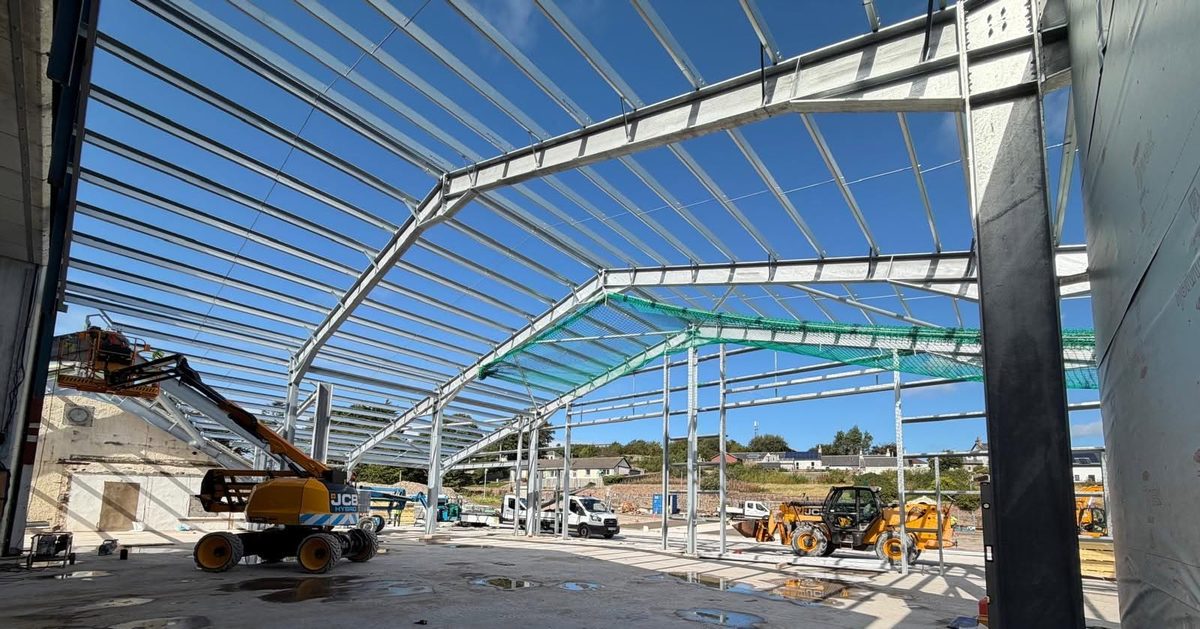
Before choosing materials, it’s worth thinking about the type of building you need.
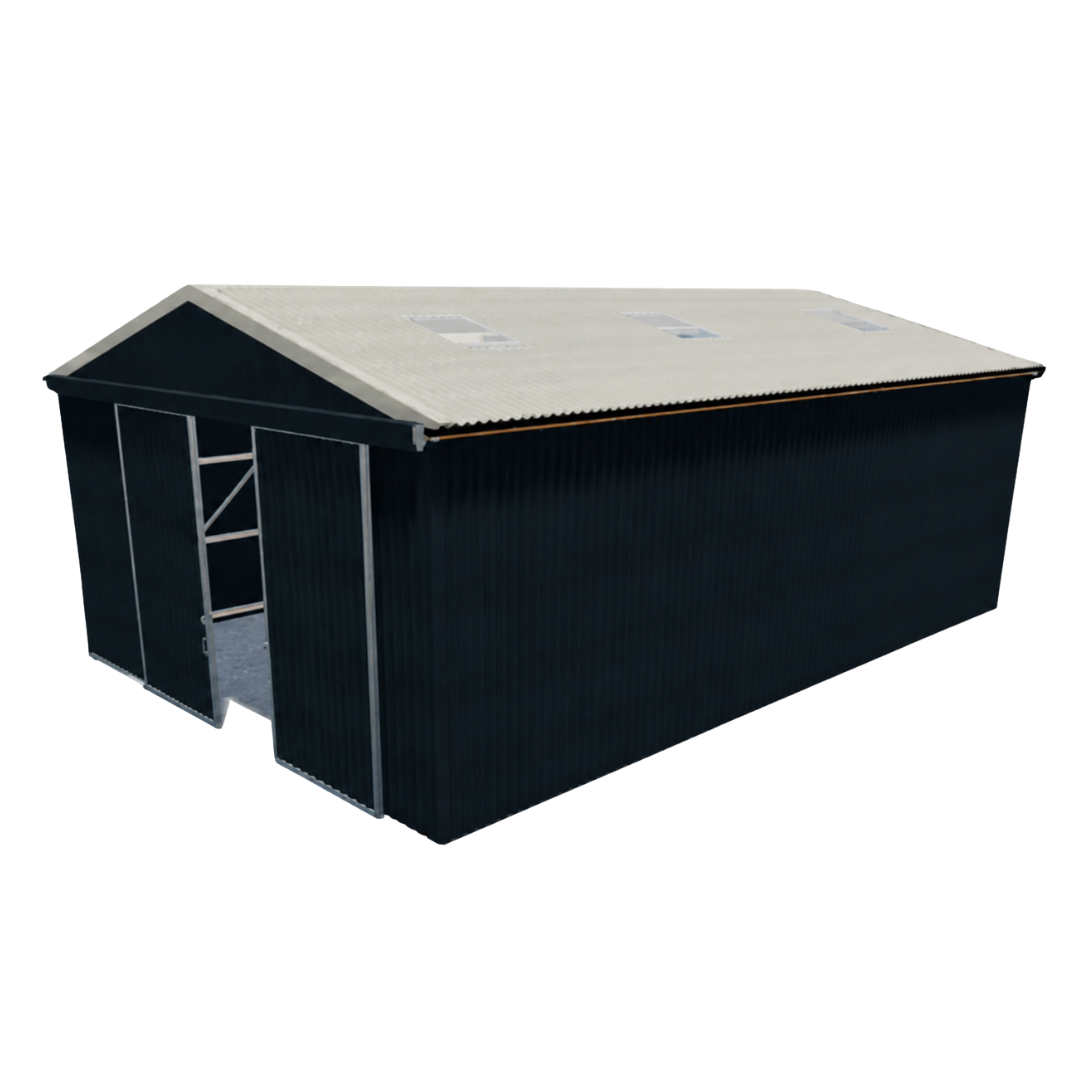
Freestanding Apex
A standalone building that sits independently on site (comes to a ridge/peak).
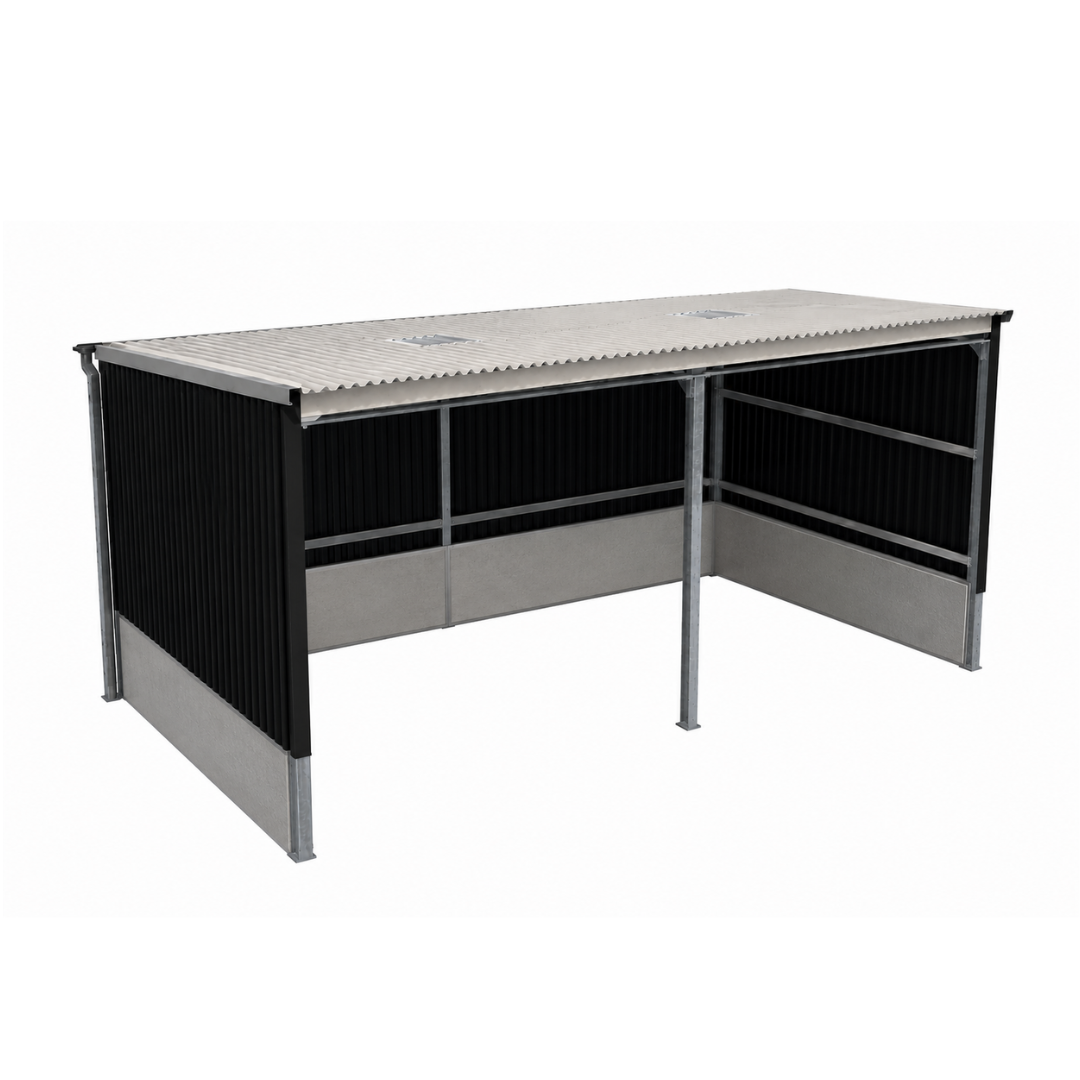
Freestanding Mono Pitch
A building with a single-sloping roof (no ridge).
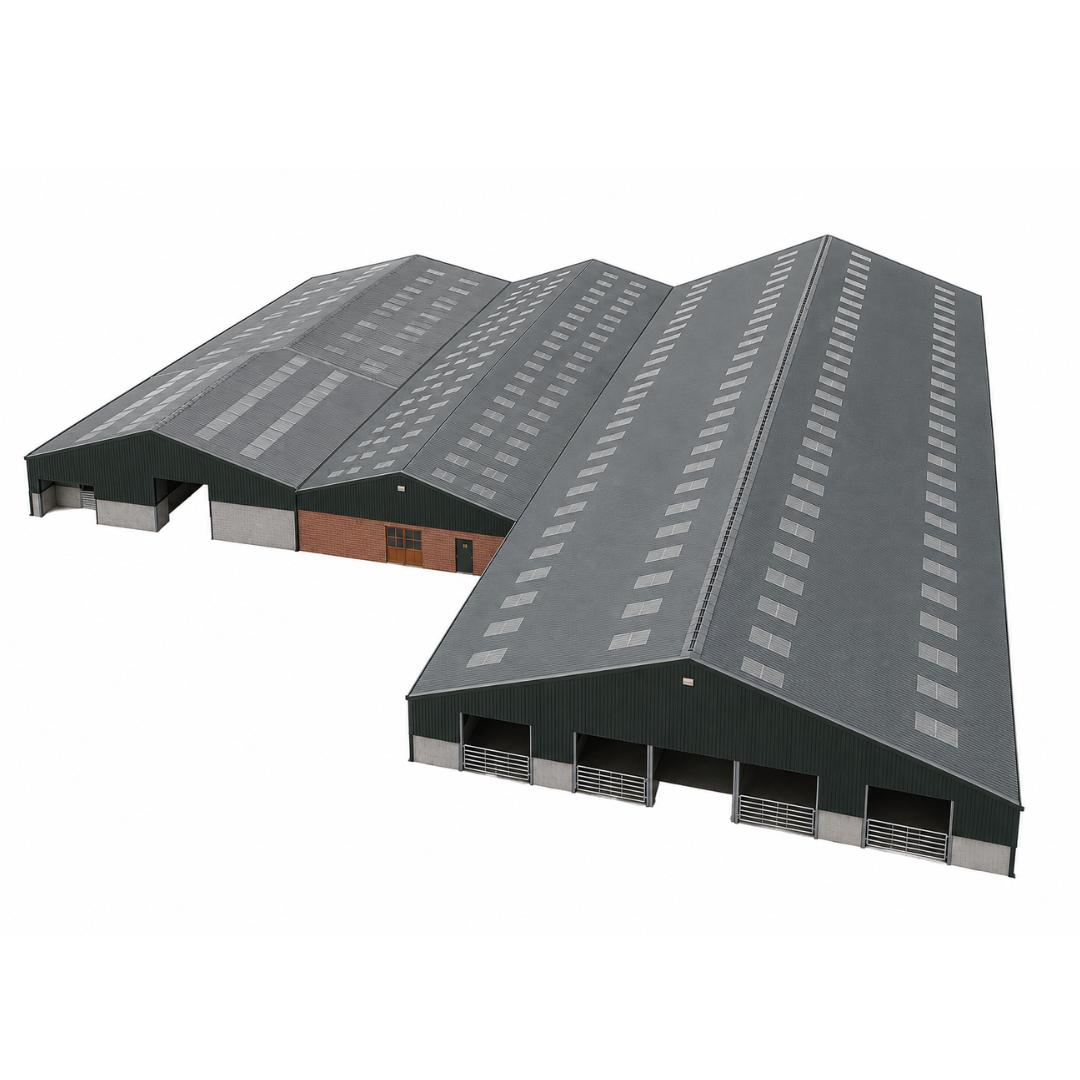
Apex Lean-To
An extension built onto an existing building, featuring a traditional apex roof design (can come off at height of existing, below existing or higher that existing with stub legs).
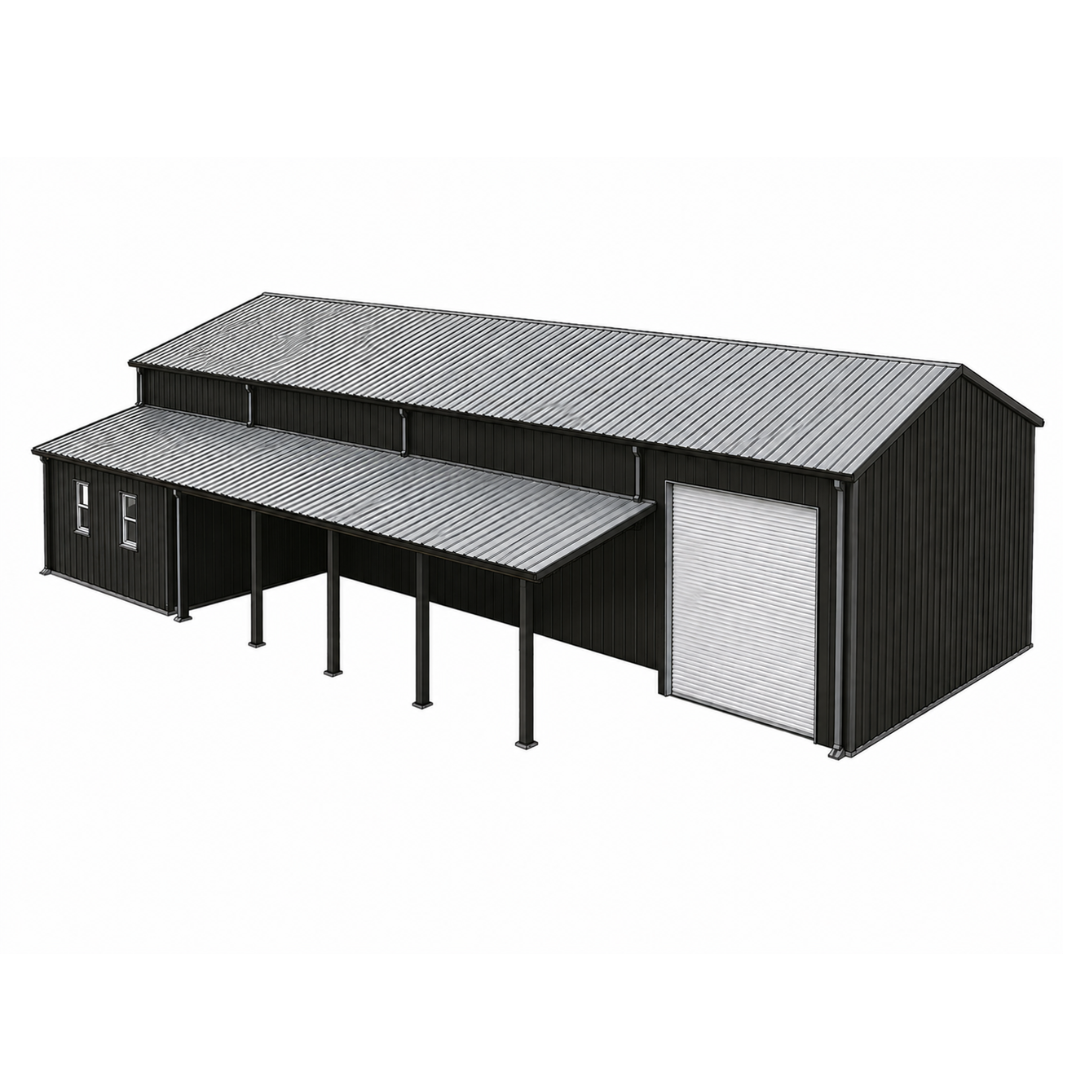
Mono Pitch Lean-To
An extension built onto an existing building with a single-sloping roof (can be off same pitch or less and off at full height or below existing).
Steelwork finish
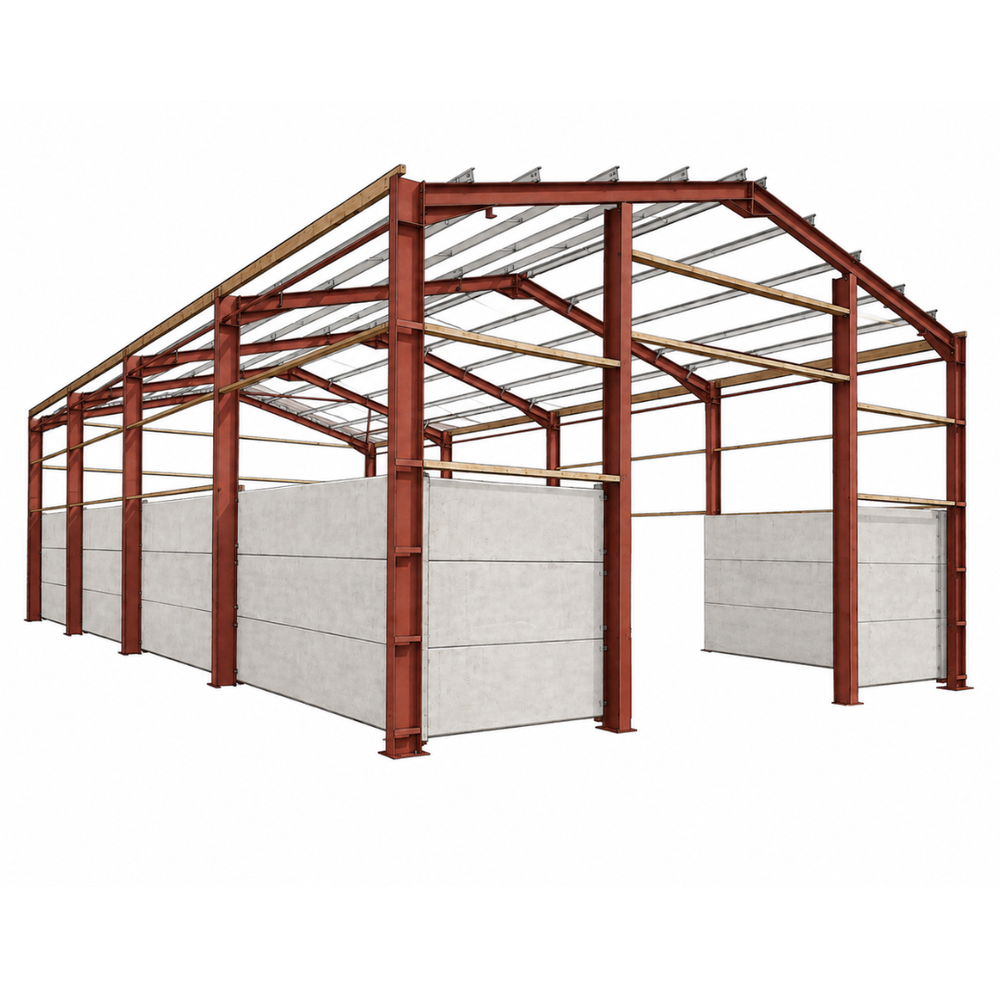
Painted
Our standard steelwork finish and a popular choice across a wide range of projects.
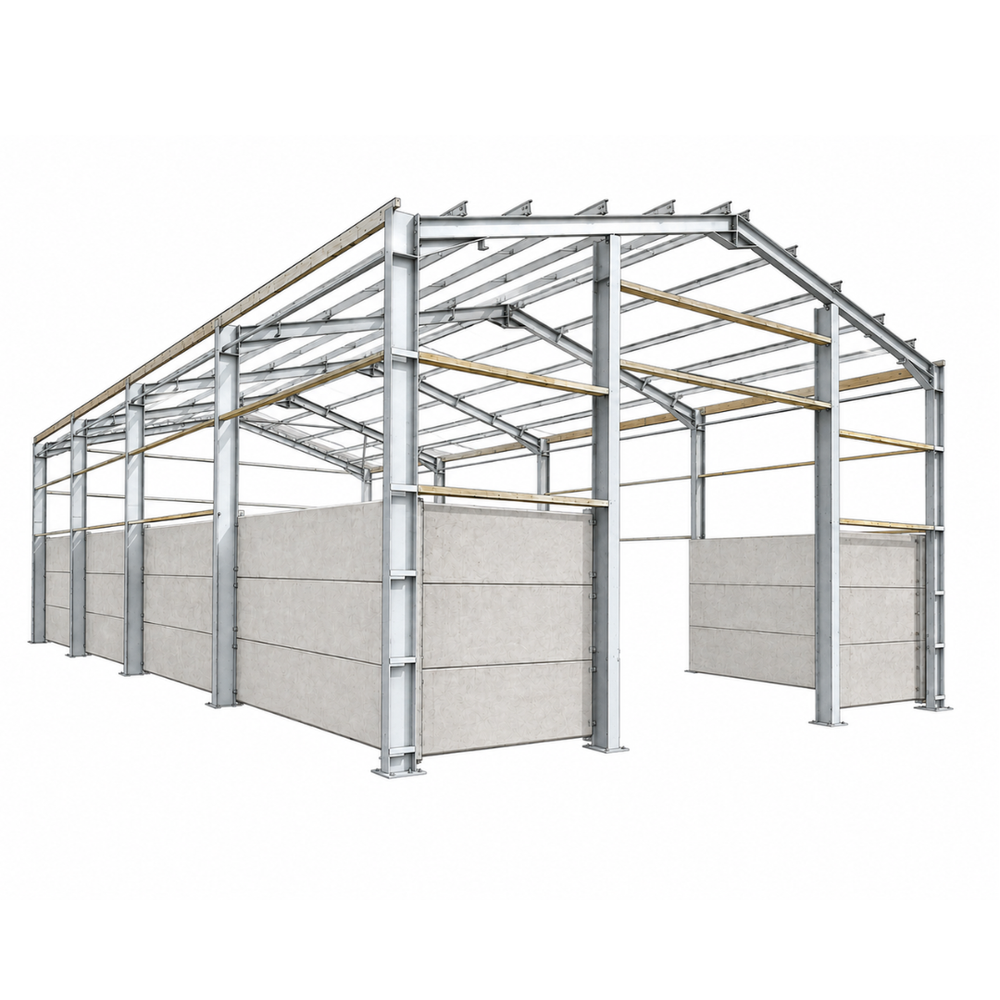
Galvanised
A protective zinc coating applied to the steel. Particularly popular for livestock buildings and environments where corrosion is a concern.
Roof materials
The roof can have a big impact on how a building performs, particularly in livestock housing.
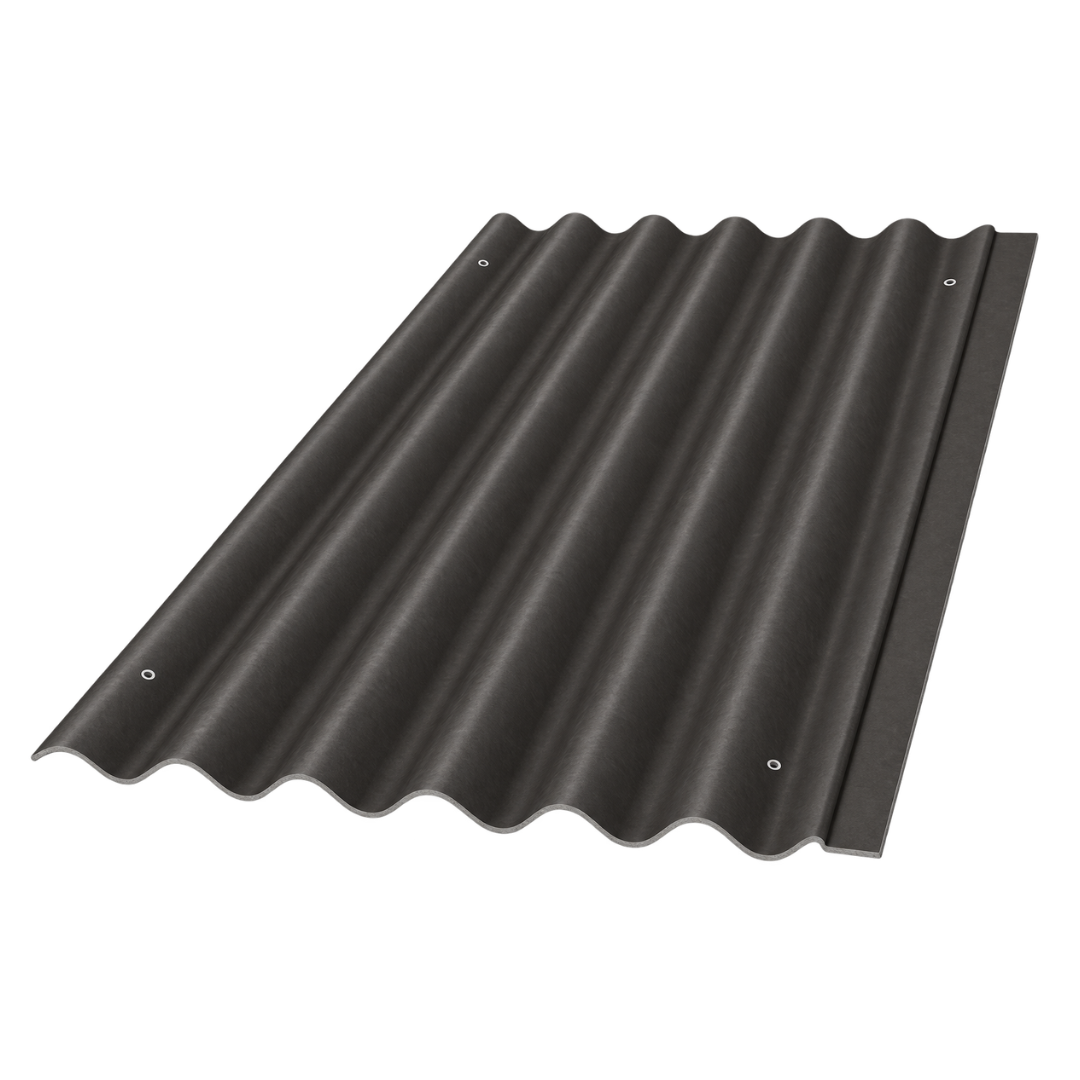
Fibre Cement
One of the most common choices for agricultural buildings. Low maintenance and well suited to livestock environments. Fibre cement is a breathable material which will not drop condensation.
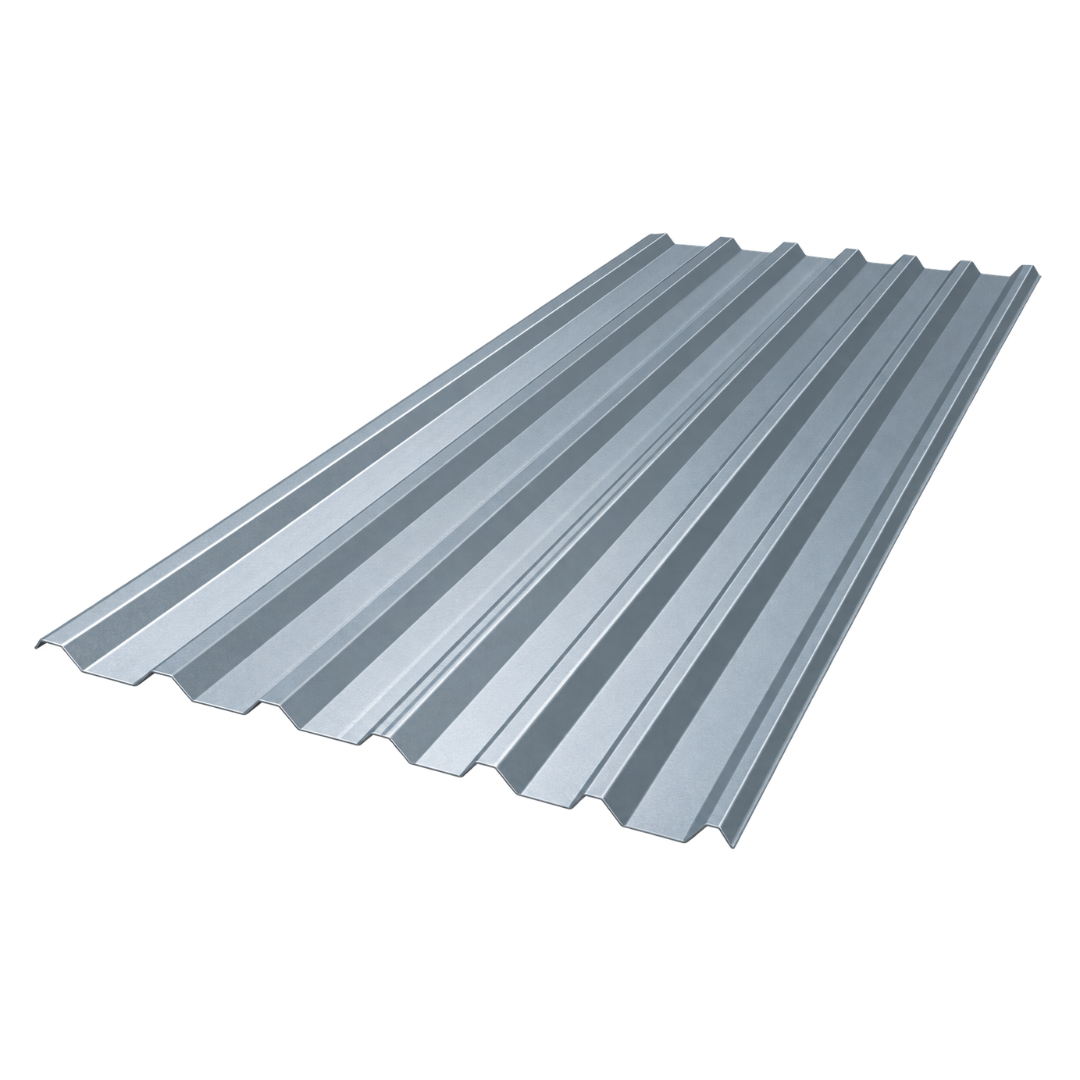
Steel Single Skin
A cost-effective roofing option often used for storage and industrial buildings.
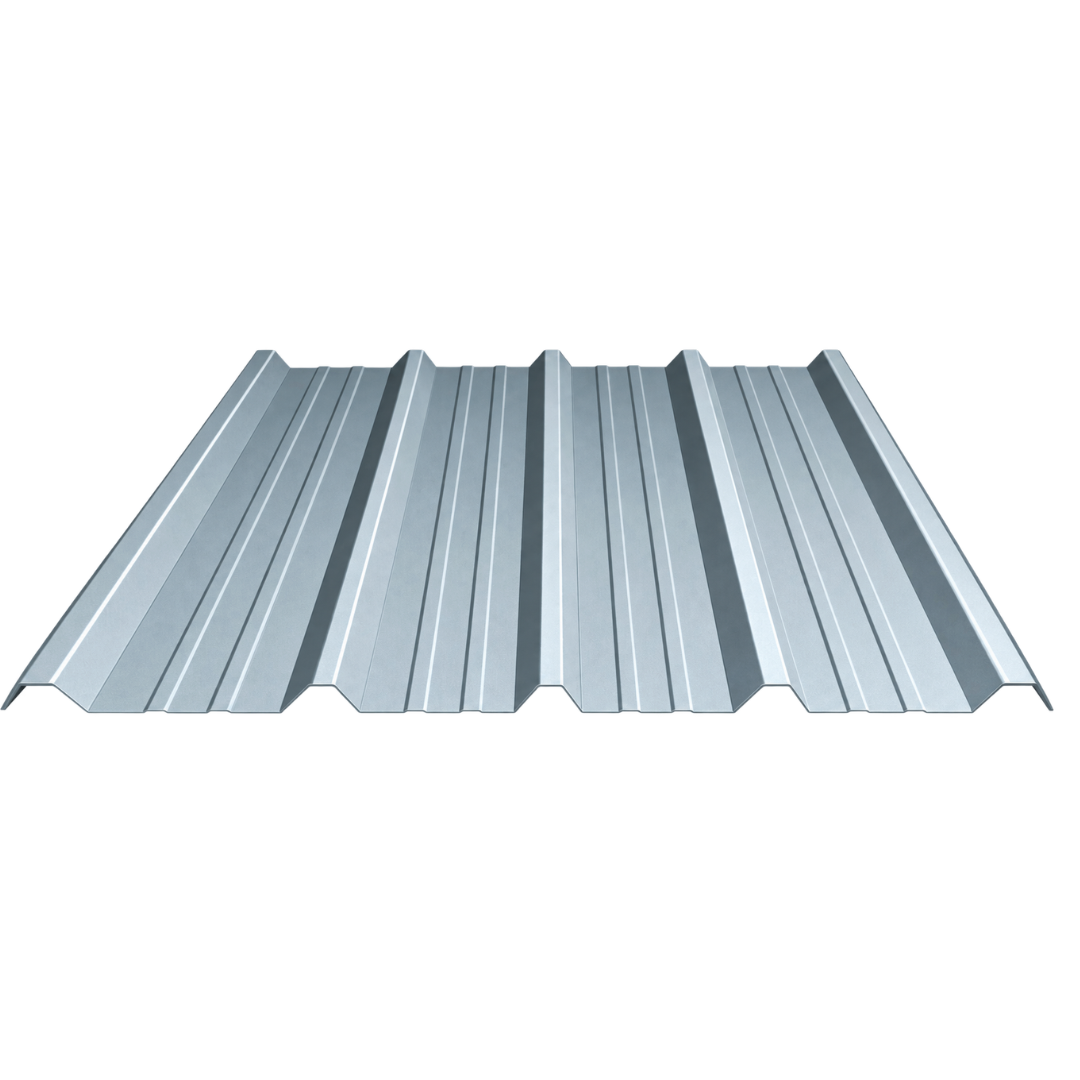
Steel Anti-Condensation
Designed to reduce moisture forming on the underside of the roof sheet and dropping to the floor below.
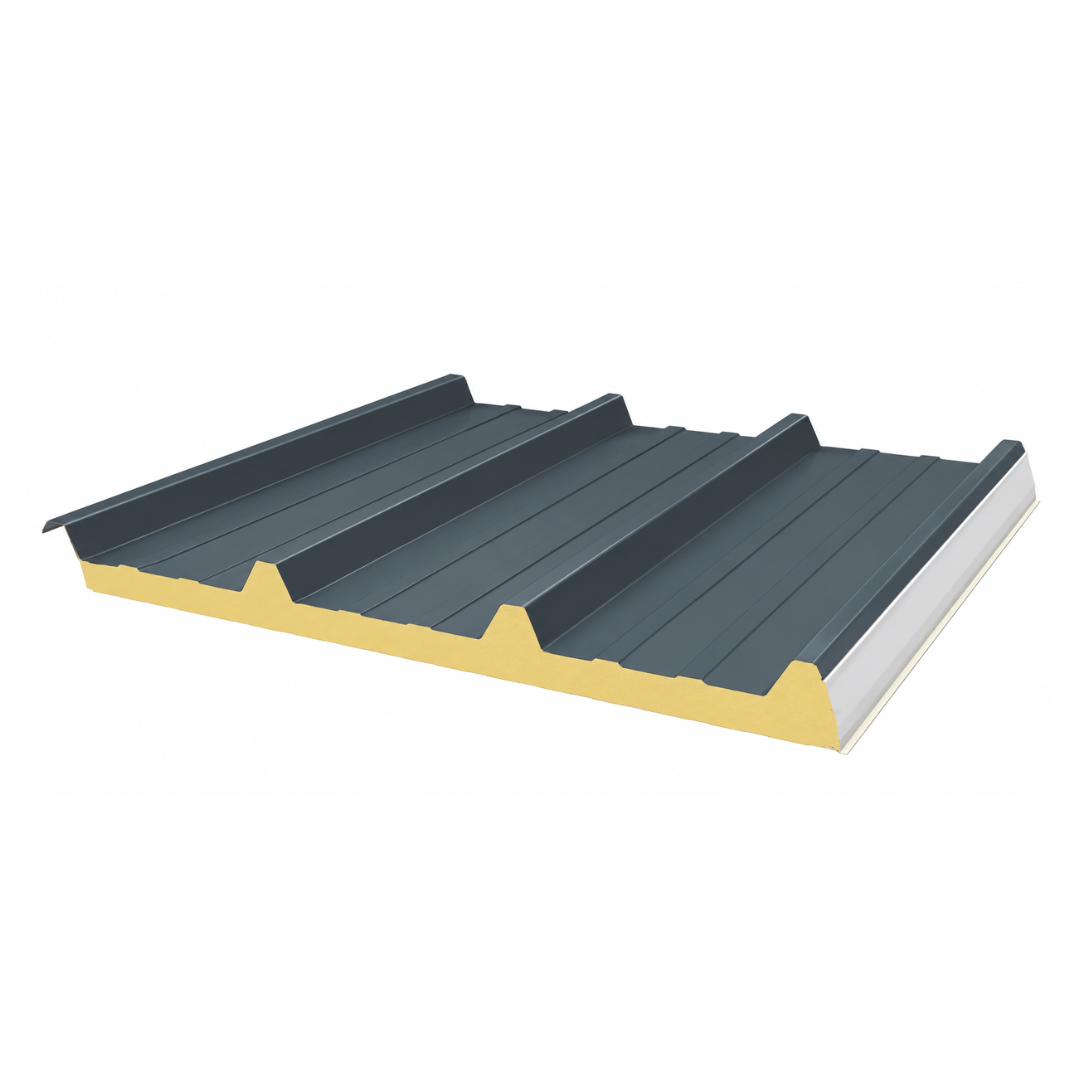
Composite Panel
An insulated roofing system used where temperature control is important.
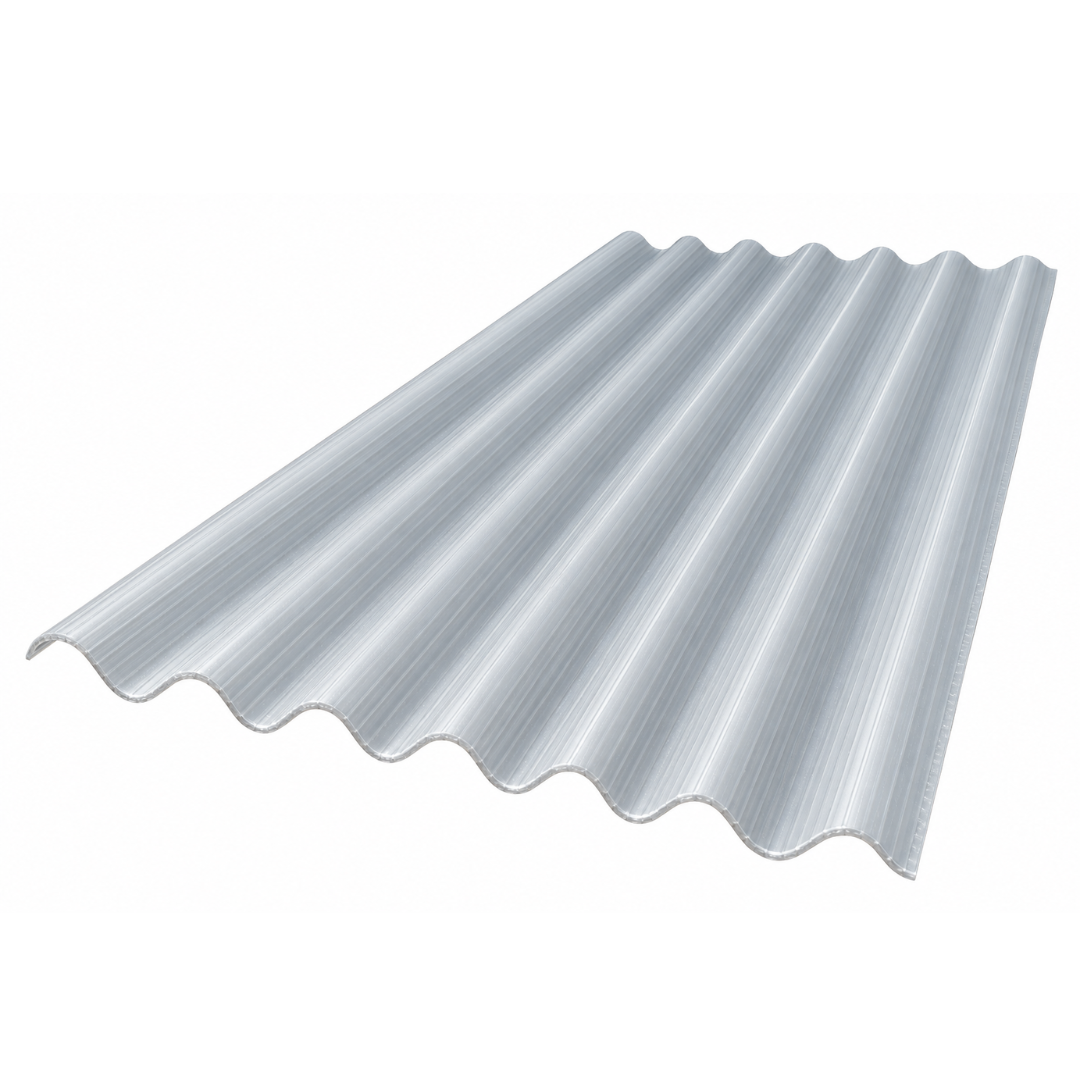
Heatguard ®
Particularly popular in dairy buildings.
Heatguard helps reduce heat build-up during warmer weather while still allowing natural light into the building. Many dairy farmers choose Heatguard to create a more comfortable environment for livestock during the summer months.
Ridge options
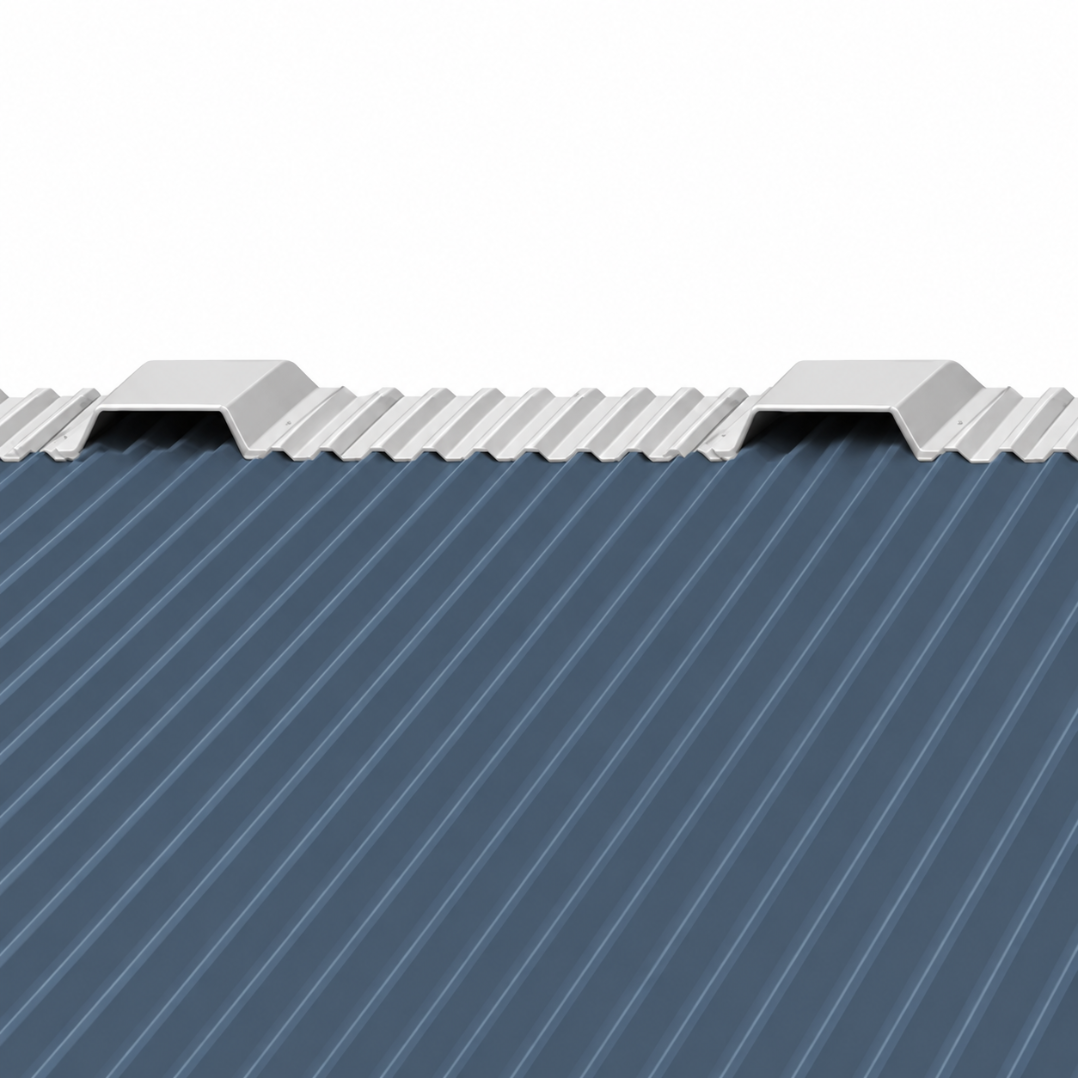
Alternating Ridge
Allows warm air to escape naturally through the roof and is commonly used in livestock buildings.
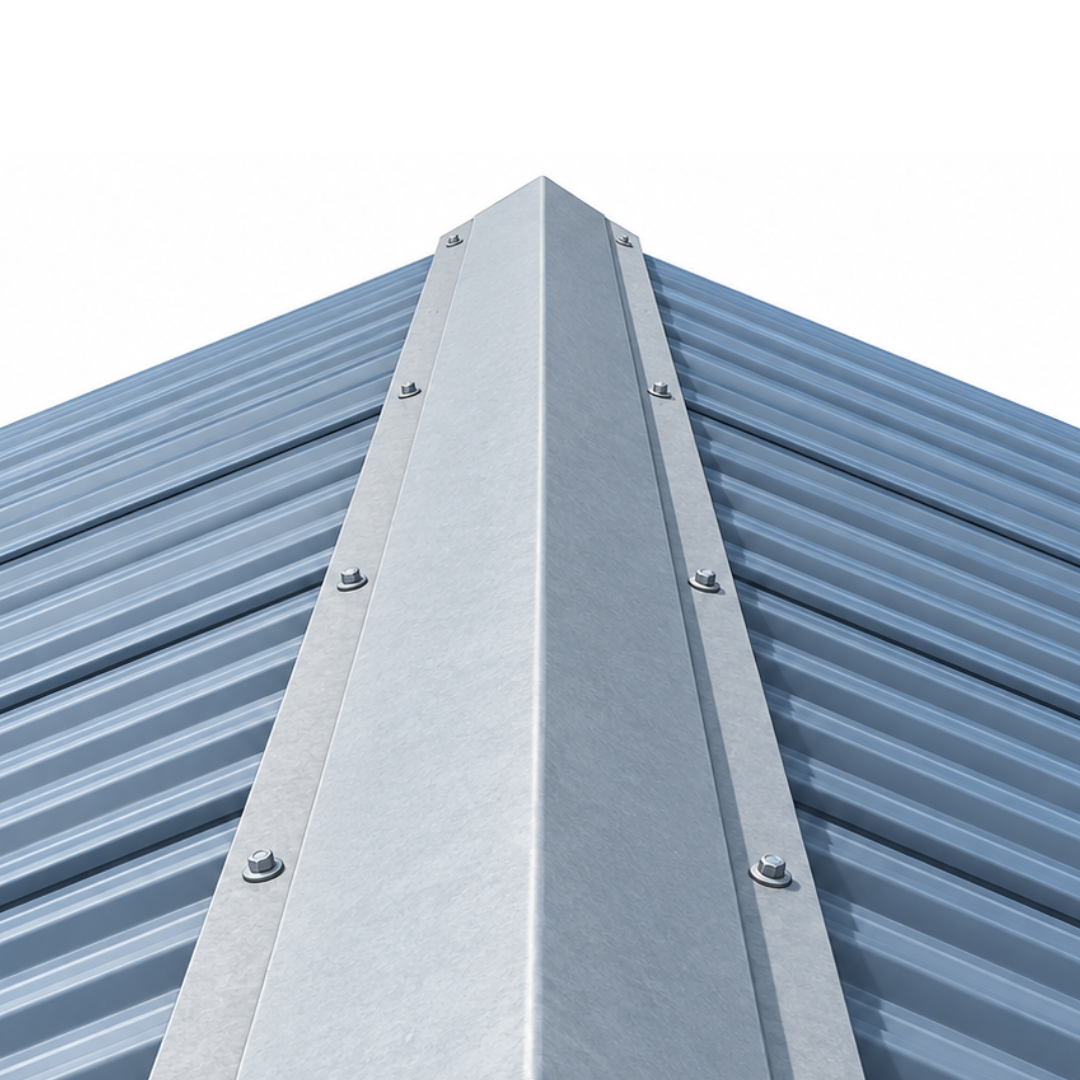
Closed Ridge
A sealed ridge detail used where additional airflow through the ridge isn’t required.
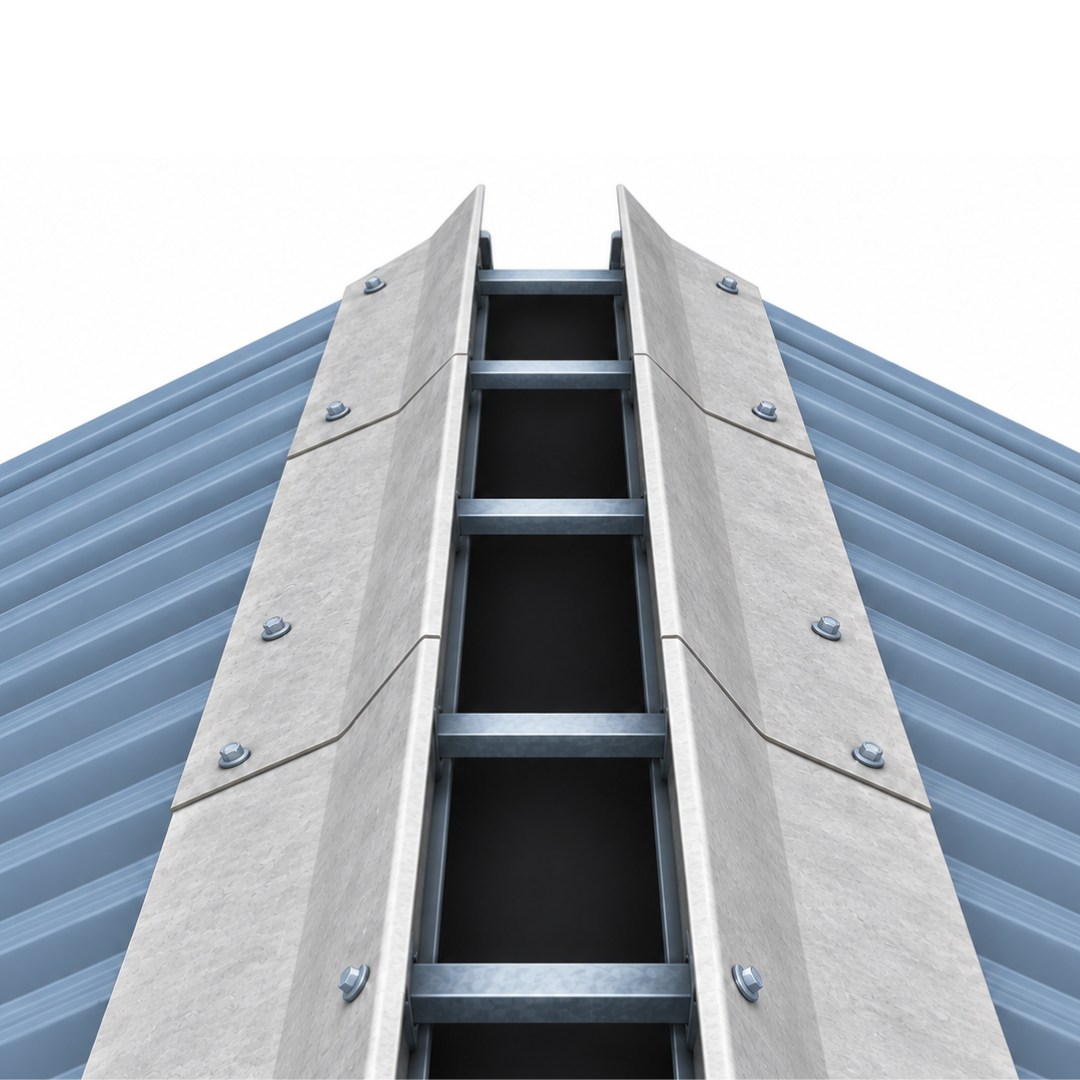
Open with Upstand
A ridge which has upstands which stand vertical from roof to the sky protecting against a percentage of wet weather falling into the building.
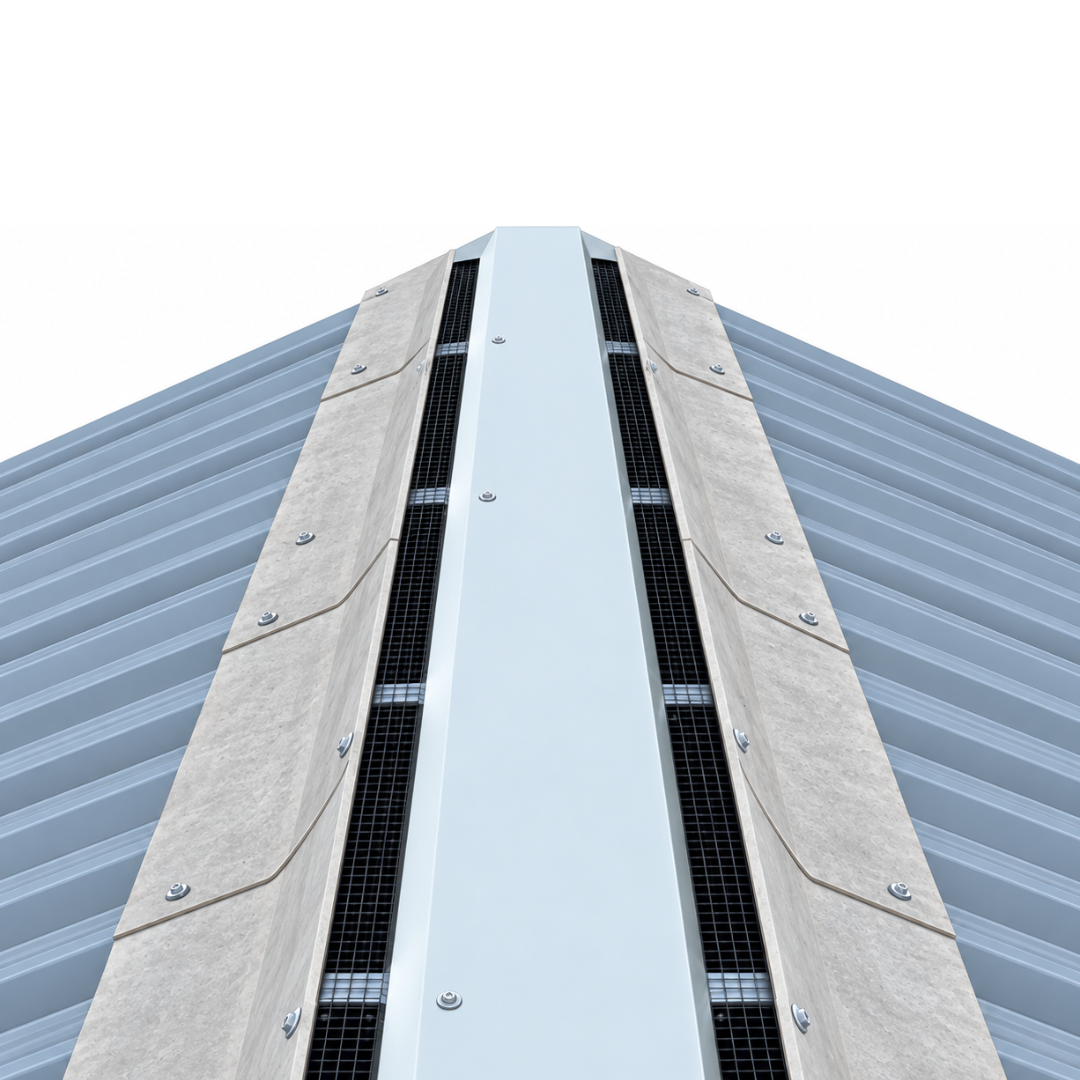
Open with Upstands Protected
The same idea as open with upstands but opening is covered with a soffit strip and straps across ridge.
Cladding options
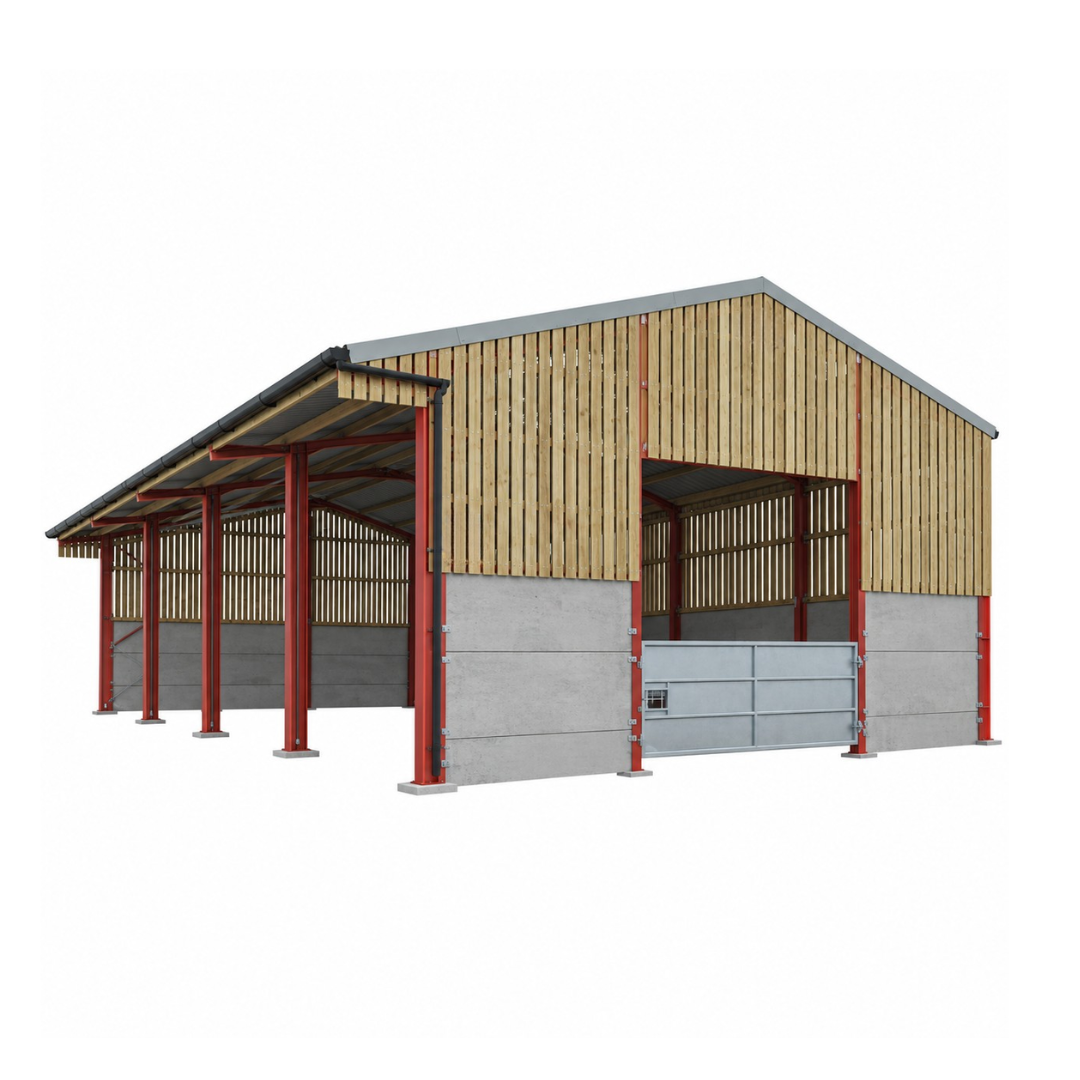
Yorkshire Boarding (Space Boarding)
Timber boarding installed with gaps between the boards to encourage natural airflow. A popular choice for livestock buildings.
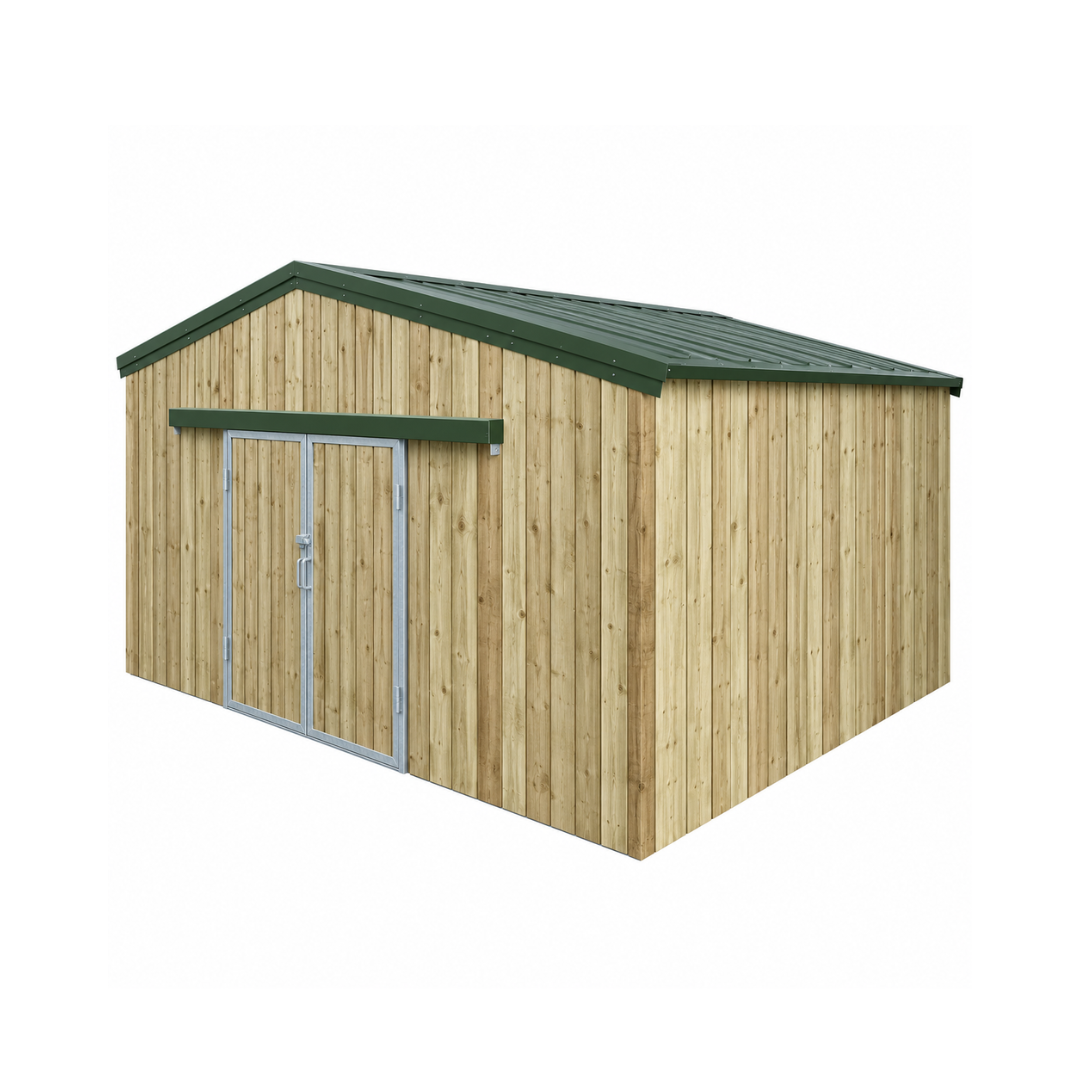
Castle Boarding
Similar in appearance to Yorkshire boarding but without the gaps between boards. Often chosen where additional weather protection is required.
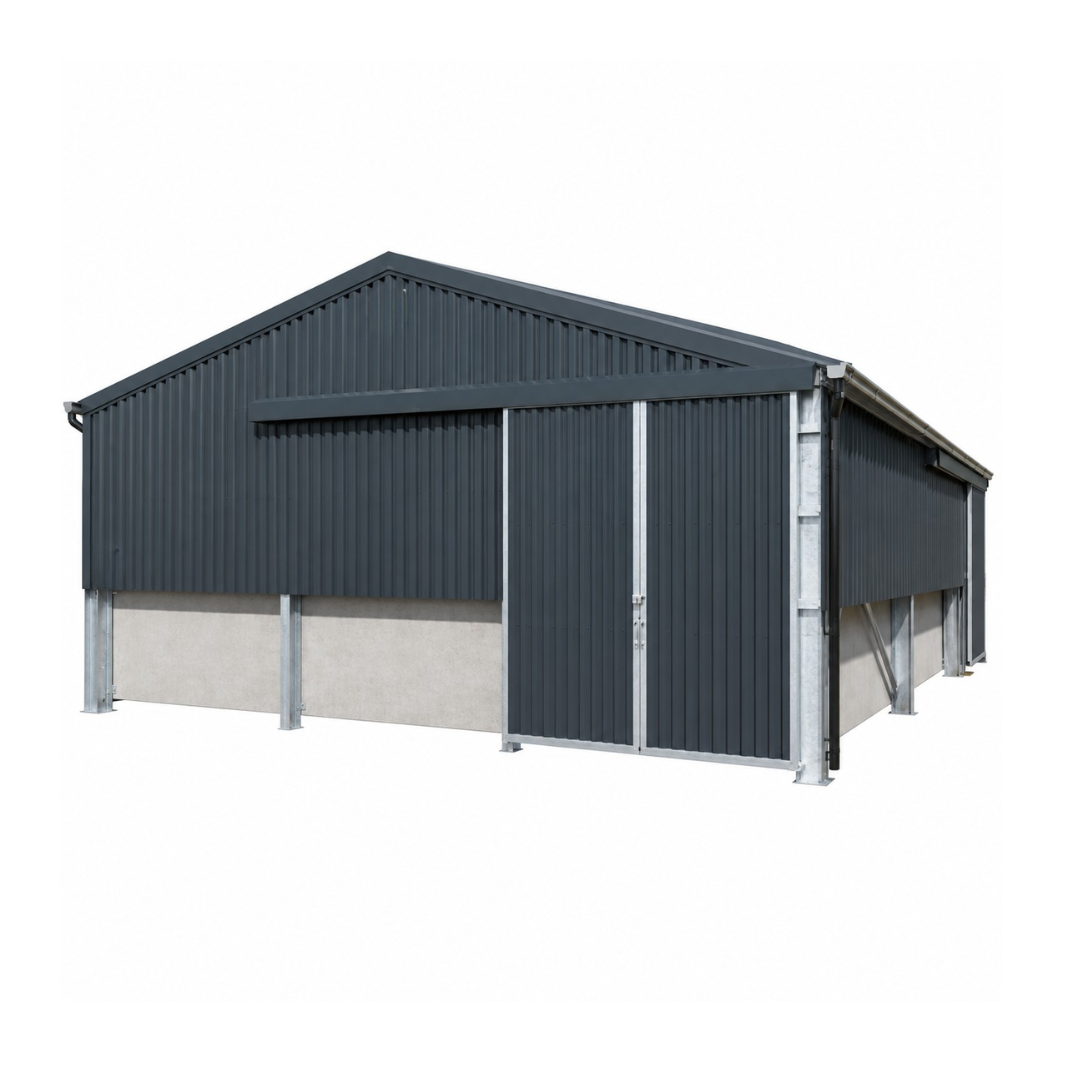
Box Profile Steel Cladding
A durable steel cladding system available in a range of colours and finishes.
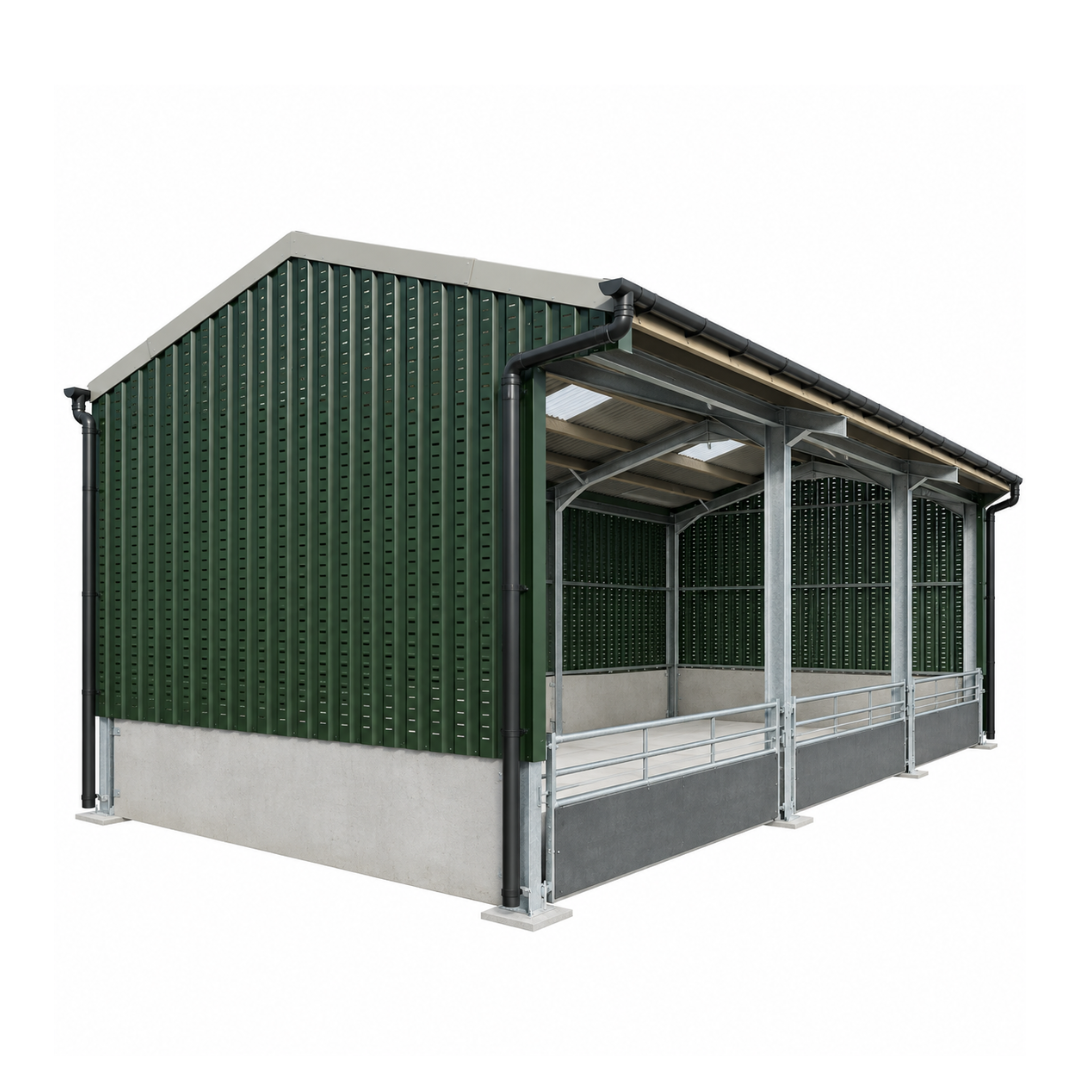
Vent-Air
Similar to standard box profile steel cladding, but manufactured with perforations to allow airflow through the building.
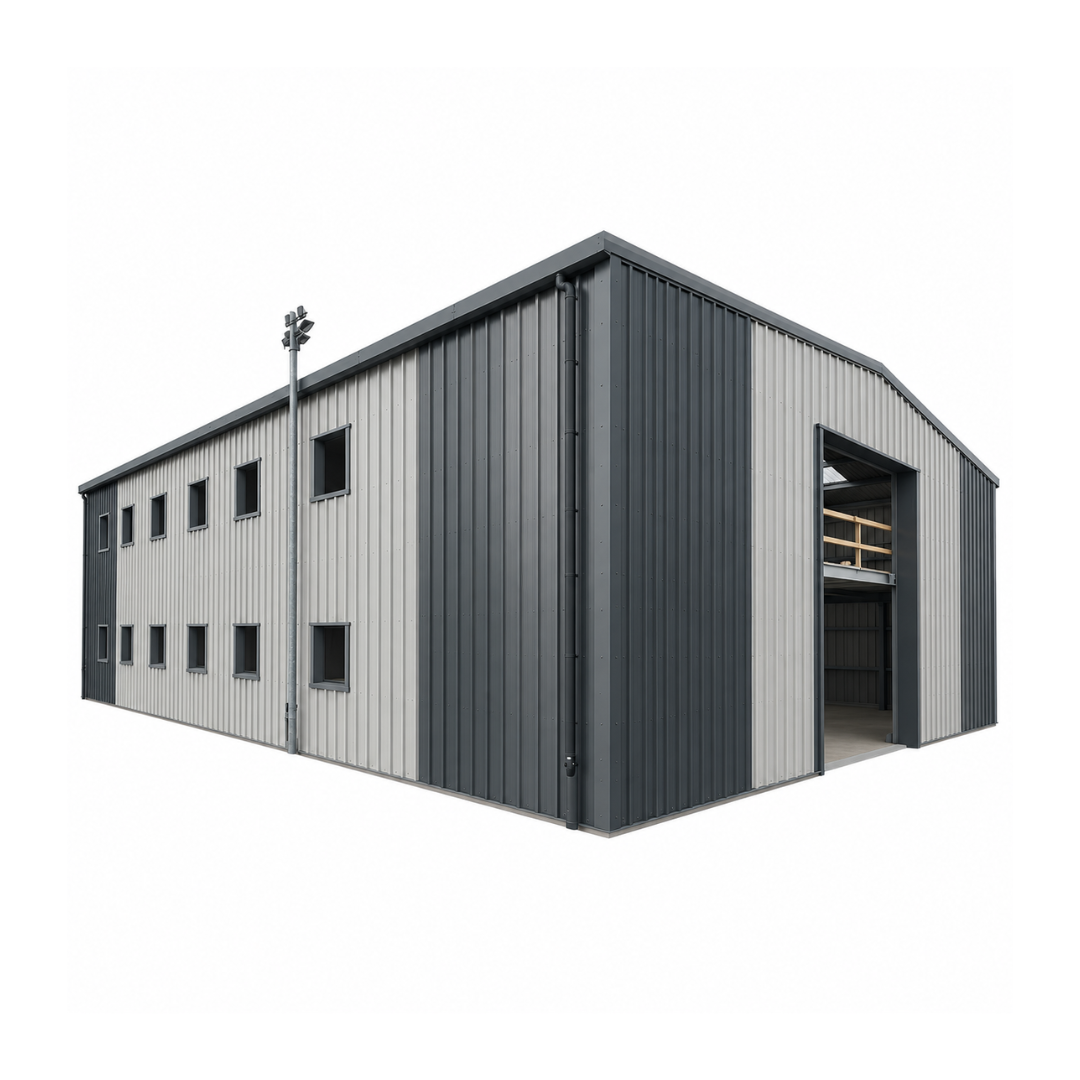
Composite Panels
Insulated cladding used where temperature control is important.
Concrete panels
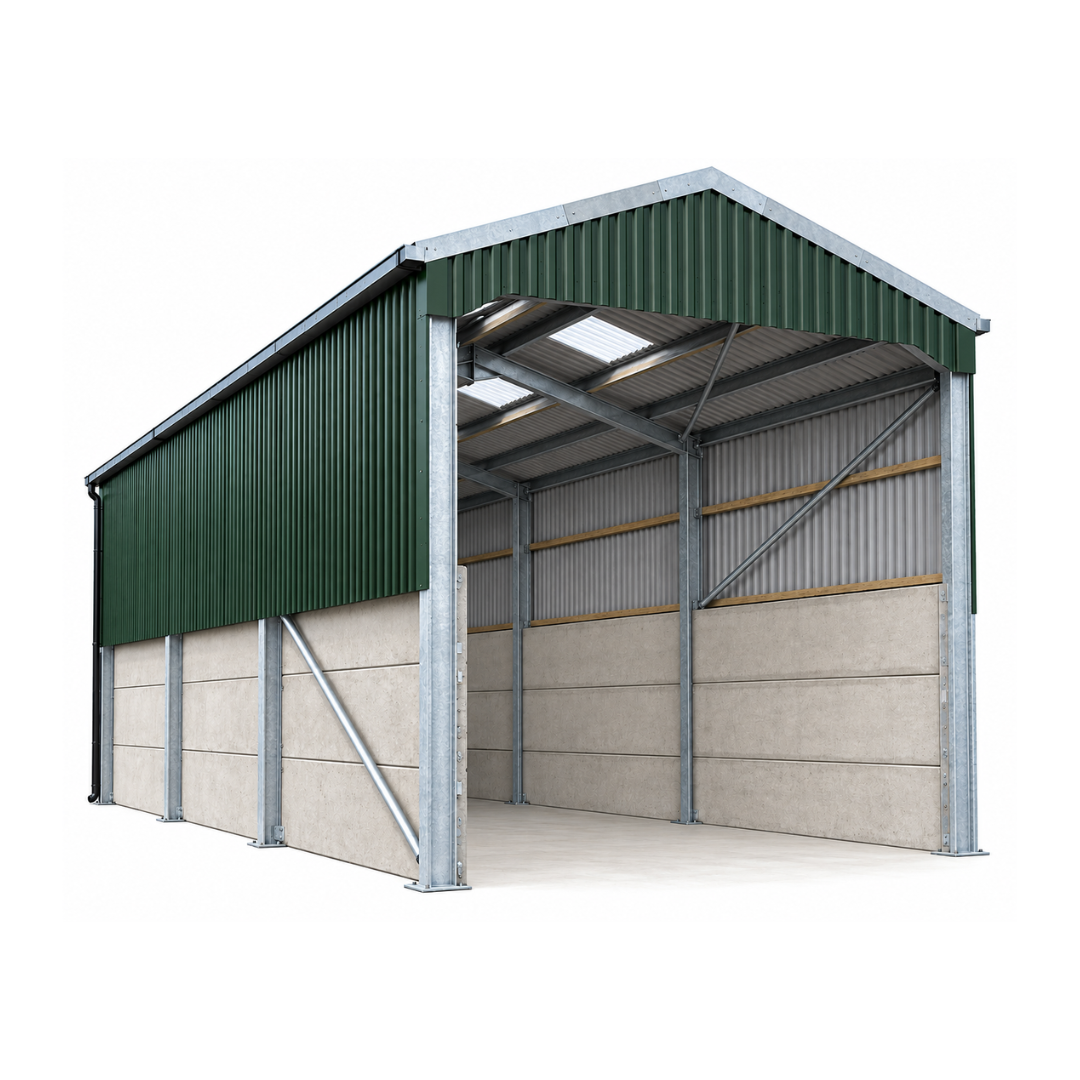
Concrete Panels
Concrete panels are often used in steel buildings to provide additional protection in areas likely to take a few knocks, where materials are to be stored against a wall, or where floor levels need to be retained, either internally or externally.
We offer standard 90mm panels for livestock buildings, 140mm retaining panels for heavier-duty requirements, and 180mm panels for the most demanding requirements.
All of our precast concrete products are supplied through our sister company CWP.
Door options
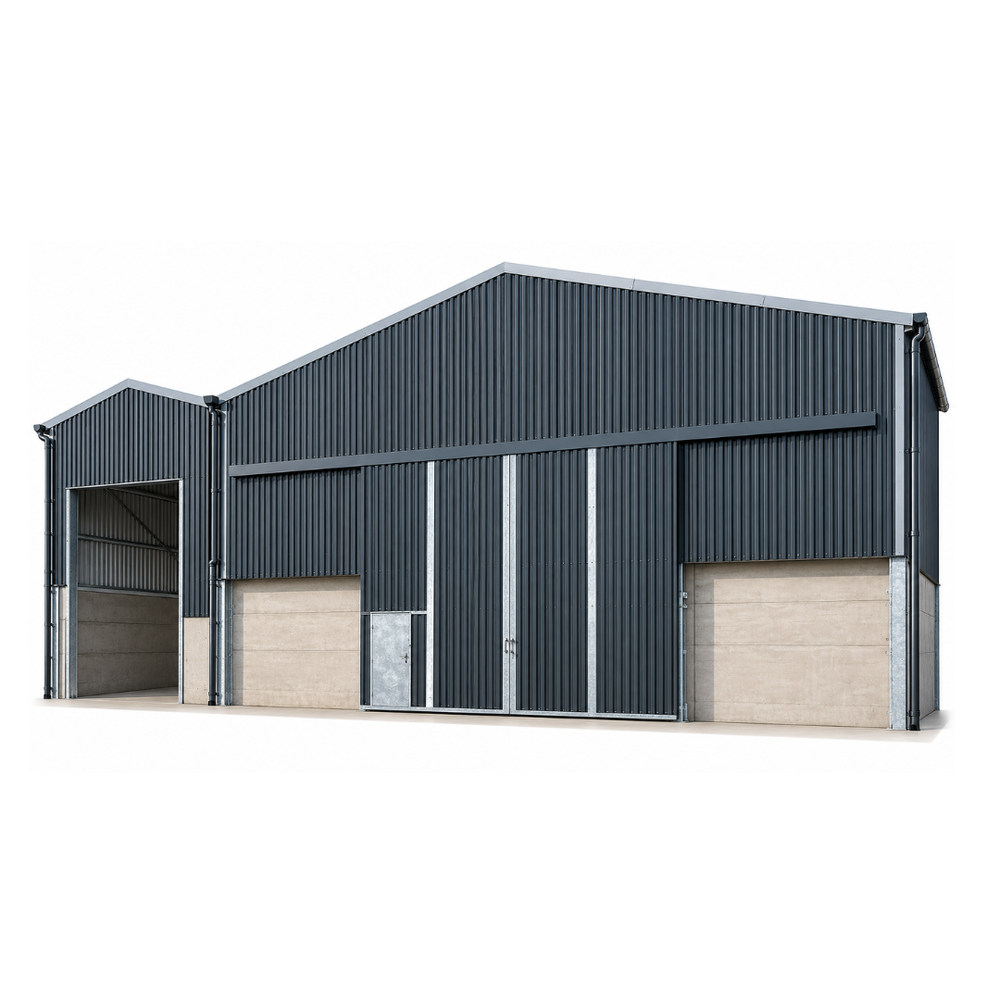
The right door depends on how the building will be used. Available options include roller shutters, sliding doors, personnel doors, sheeted gates and open access bays. If you’re not sure what’s best for your project, we’re happy to talk it through.
Gutters
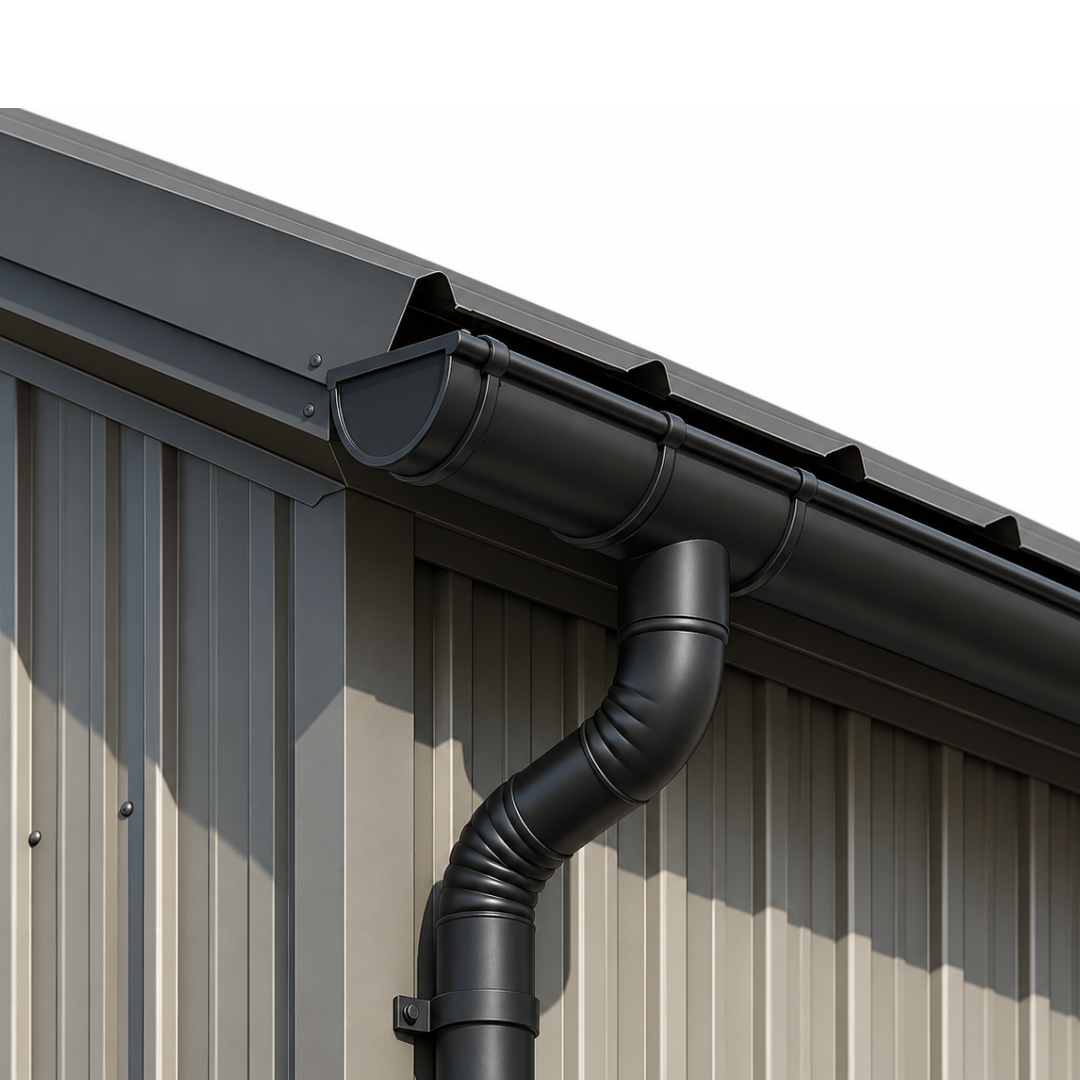
PVC
A widely used option suitable for many agricultural buildings.
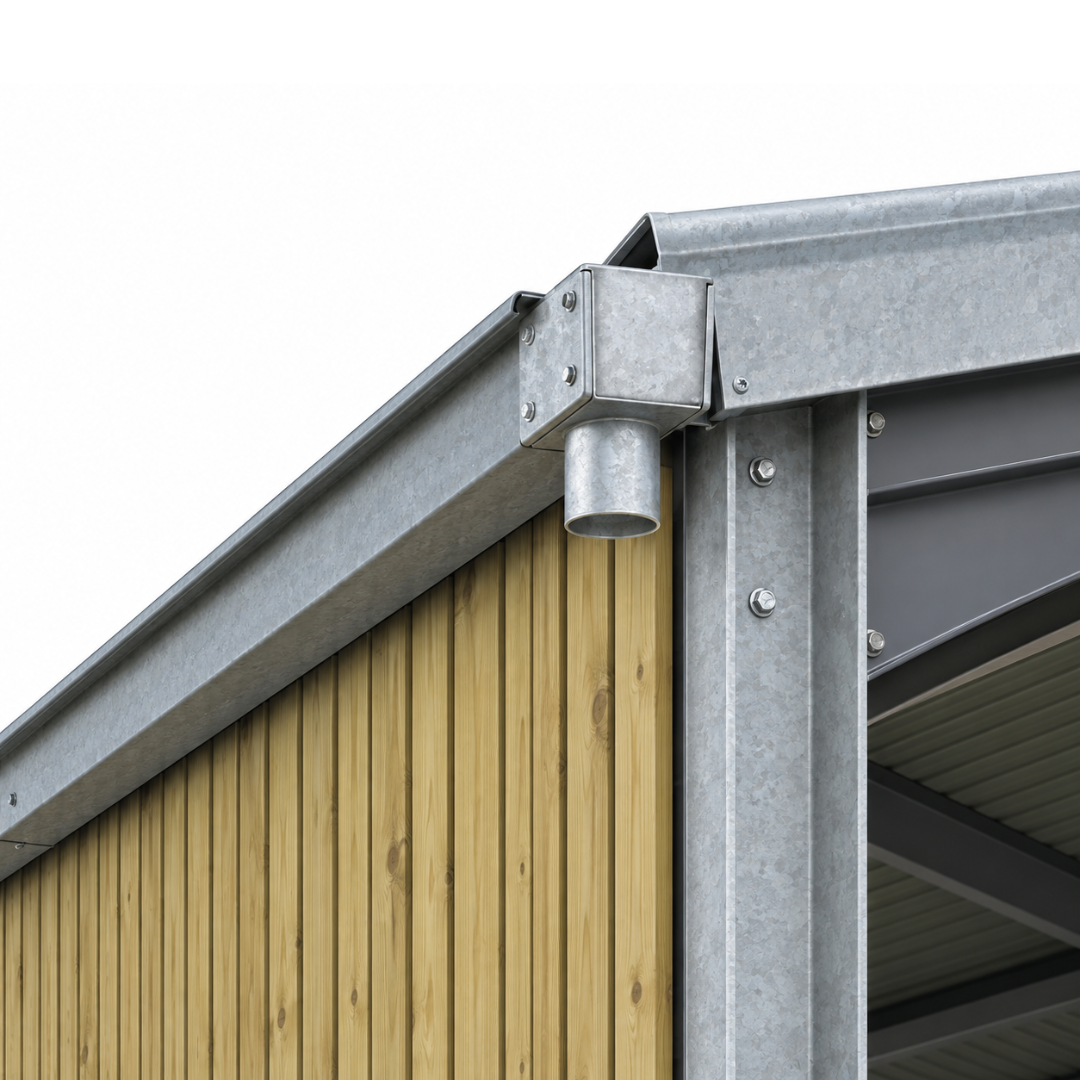
Galvanised
A heavier-duty alternative often chosen on larger projects.
Purlins
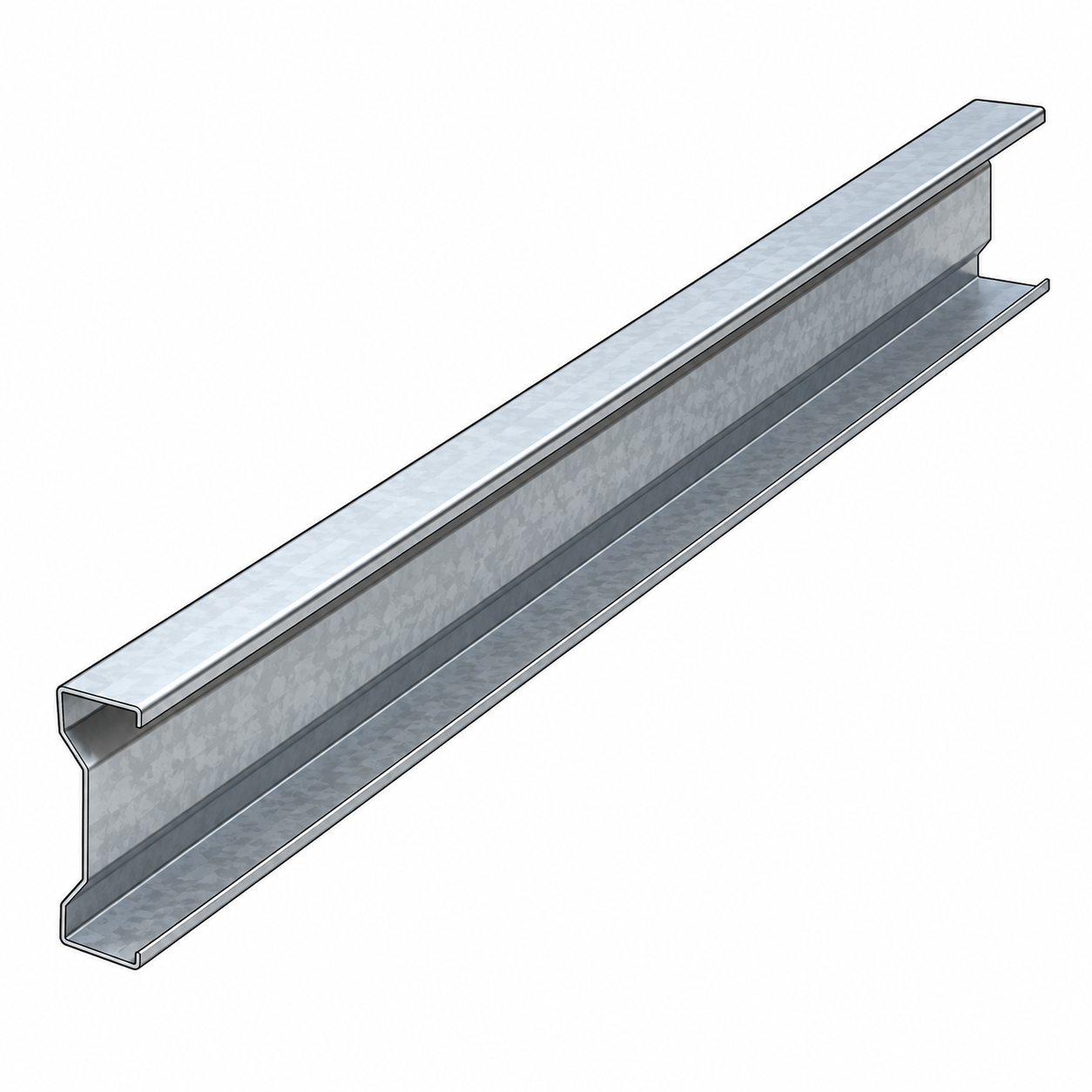
Purlins, Eave Beams & Sheeting Rails
These are the structural members that support the roof and wall cladding.
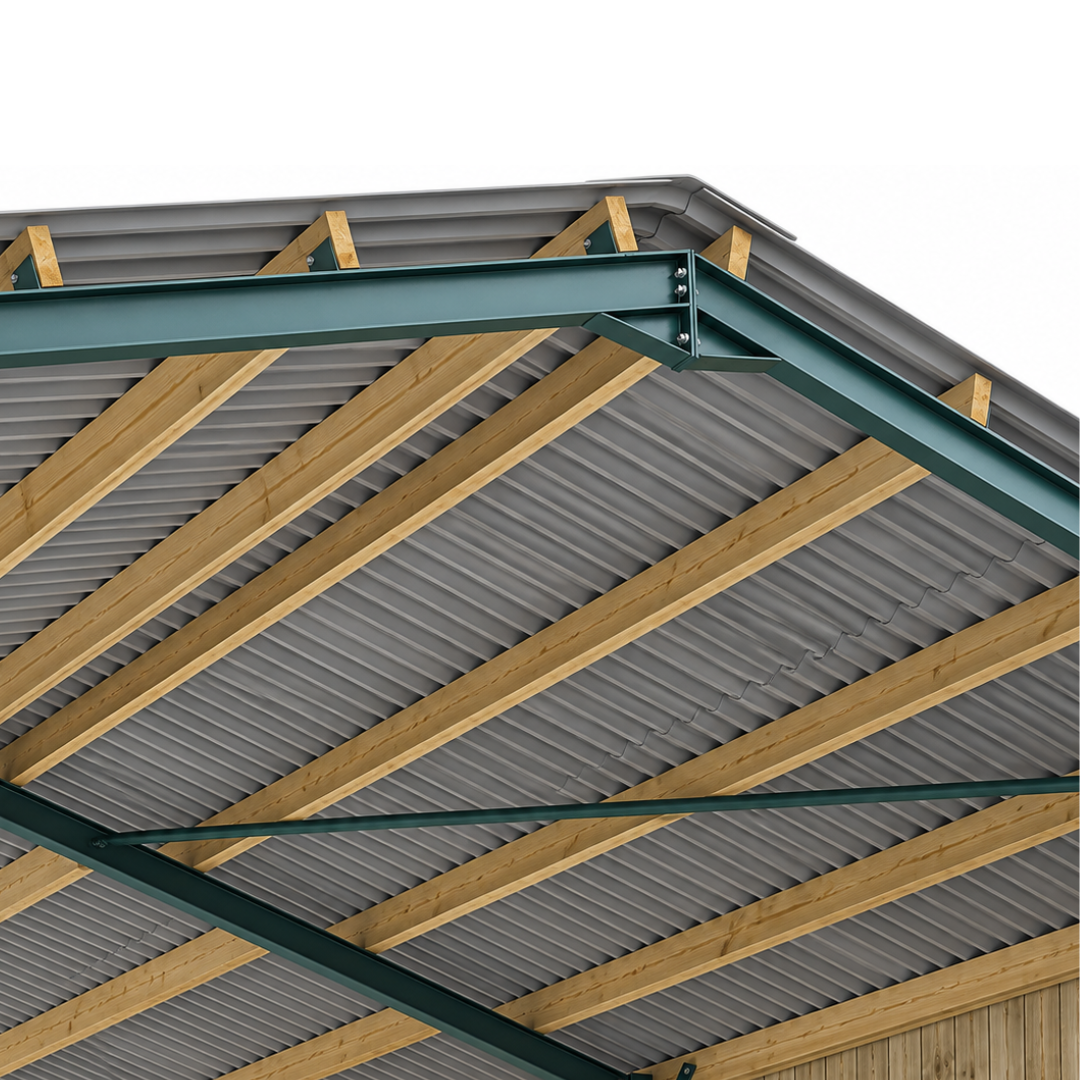
Timber
A traditional choice used extensively throughout agriculture.
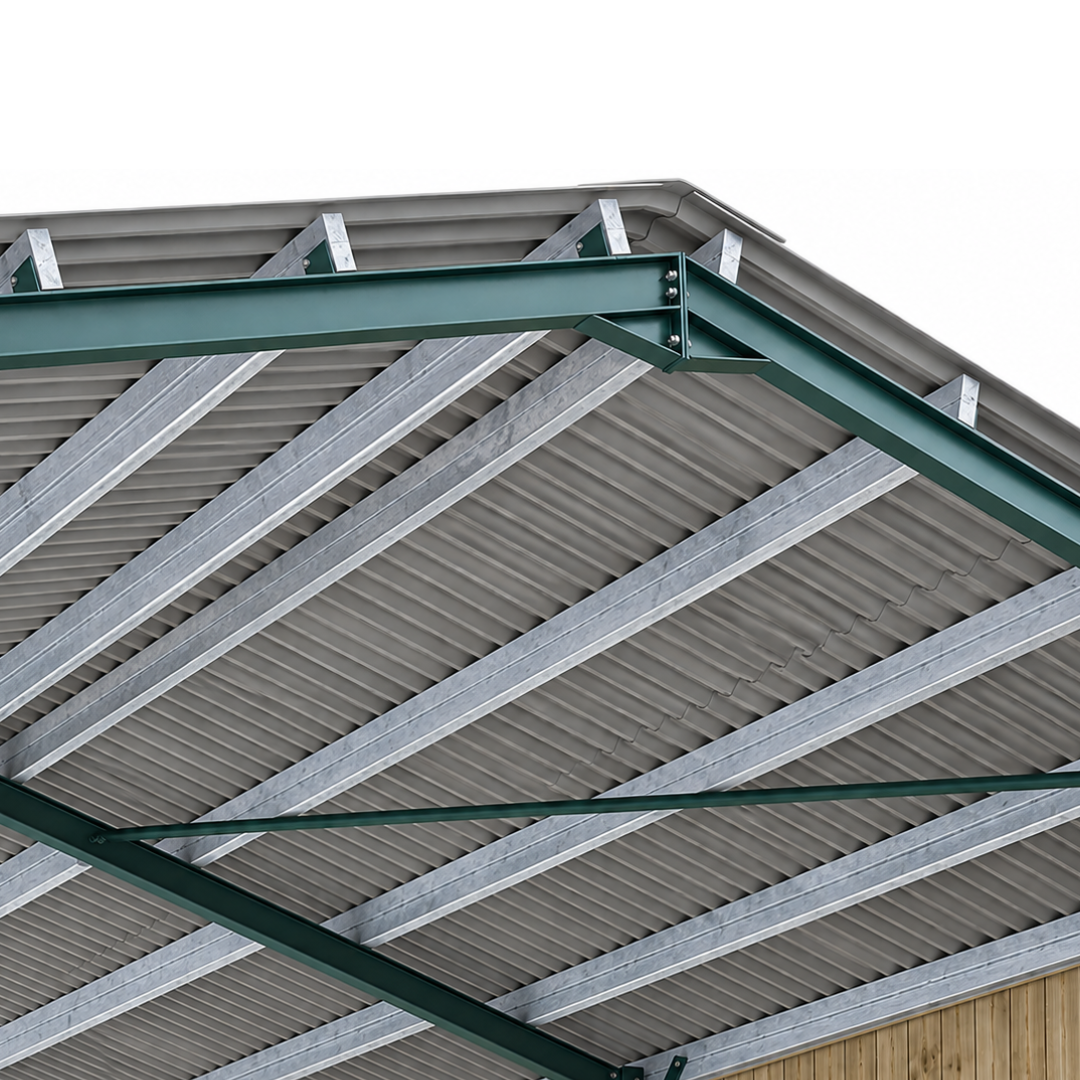
Galvanised Steel
Offers increased durability and is often chosen for more demanding environments.
Still not sure?
Don’t worry, most customers don’t arrive knowing exactly what specifications they need. Tell us what the building is for and we’ll help you work through the options.