Commercial

Broxburn

LIDL

Home | Case Studies | LIDL
Sales Area 14,359 sq ft
Steelwork Supplied 113.82 tonnes

Part Of A Bigger Picture

Not every project requires us to be involved from start to finish.

Sometimes we’re brought in to deliver a specific part of the build before handing over to the next team on site.

That’s exactly what happened at Lidl’s store in Broxburn.

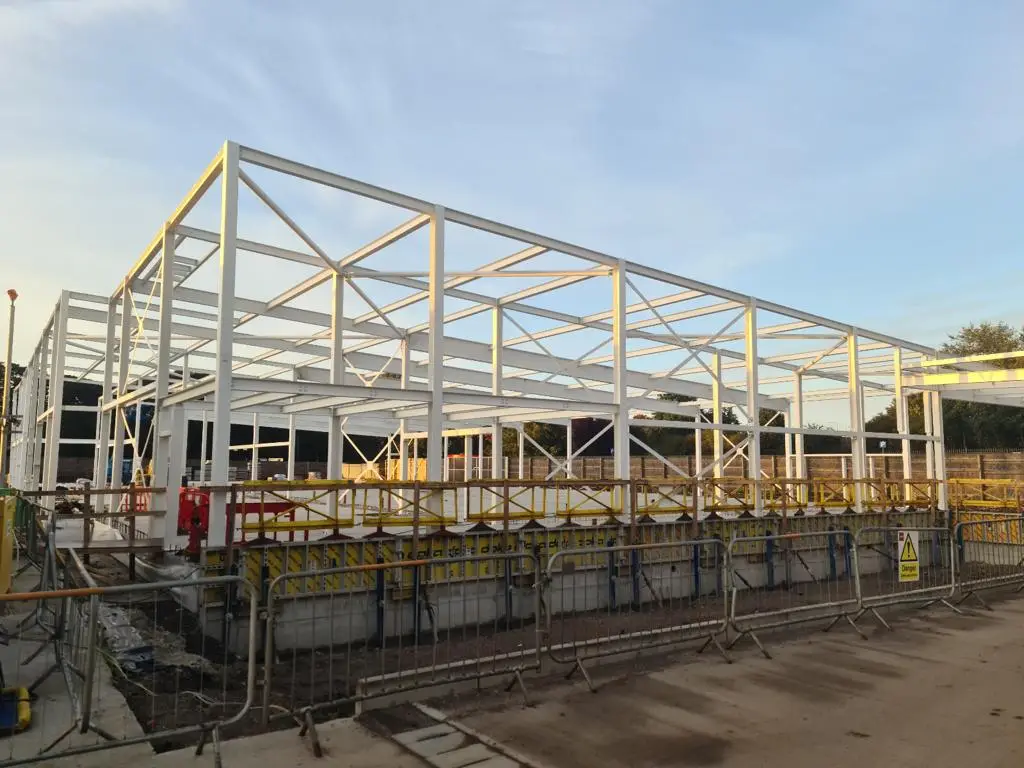
Working as part of a wider construction programme, we supplied and erected the structural steelwork that would form the backbone of the new retail unit.

Getting The Structure In Place

Our involvement included the detailing, fabrication, painting and erection of the steel frame.

Several large-span beams were incorporated into the design, helping create the open internal space needed for a retail environment.

Although our time on site was relatively short, a significant amount of preparation had already taken place behind the scenes before the first piece of steel arrived in Broxburn.

A Team Effort

Construction projects of this scale rely on different contractors coming together at the right time.

Once the steel frame was complete, work continued across the wider development as the new store began to take shape.

The Finished Result

The completed Lidl store now serves the local community from its East Main Street location in Broxburn.

For us, it was another opportunity to do what we do best: fabricate, supply and erect the steelwork that helps bring projects like this to life.

Take a look through the photographs below to see the project during construction.
This website uses cookies
This site uses cookies to enhance your browsing experience. We use necessary cookies to make sure that our website works. We’d also like to set analytics cookies that help us make improvements by measuring how you use the site. By clicking “Allow All”, you agree to the storing of cookies on your device to enhance site navigation, analyse site usage, and assist in our marketing efforts.
These cookies are required for basic functionalities such as accessing secure areas of the website, remembering previous actions and facilitating the proper display of the website. Necessary cookies are often exempt from requiring user consent as they do not collect personal data and are crucial for the website to perform its core functions.
A “preferences” cookie is used to remember user preferences and settings on a website. These cookies enhance the user experience by allowing the website to remember choices such as language preferences, font size, layout customization, and other similar settings. Preference cookies are not strictly necessary for the basic functioning of the website but contribute to a more personalised and convenient browsing experience for users.
A “statistics” cookie typically refers to cookies that are used to collect anonymous data about how visitors interact with a website. These cookies help website owners understand how users navigate their site, which pages are most frequently visited, how long users spend on each page, and similar metrics. The data collected by statistics cookies is aggregated and anonymized, meaning it does not contain personally identifiable information (PII).
Marketing cookies are used to track user behaviour across websites, allowing advertisers to deliver targeted advertisements based on the user’s interests and preferences. These cookies collect data such as browsing history and interactions with ads to create user profiles. While essential for effective online advertising, obtaining user consent is crucial to comply with privacy regulations.